


































AI Tutoring
AI tutoring uses artificial intelligence to personalize learning, provide instant feedback, and support students across all subjects and levels. While AI tutors can significantly enhance learning efficiency and accessibility, global research shows they cannot replace human teachers—who bring empathy, creativity, and critical thinking into education. The future lies in collaboration between AI and educators, not substitution.
What is AI Tutoring?
Artificial Intelligence (AI) tutoring uses smart computer programs to help students learn. UNESCO defines Intelligent Tutoring Systems (ITS) as computer programs that deliver individualized instruction and feedback to learners, adapting to each student's needs to create a one-on-one learning experience.
In practice, AI tutors range from chatbots powered by large language models (like ChatGPT) to specialized apps that teach math, language, or science. For example, Khan Academy's Khanmigo is an AI tutor designed to prompt students with hints and questions rather than giving direct answers, guiding their learning process. In the U.S., even the President has backed AI tutoring tools as a way to bring expert help "on demand" to every smartphone.
How AI Tutors Work
AI tutors use technologies like natural-language chatbots, adaptive algorithms, and large datasets of educational content. They "listen" to a student's questions or solutions, then use built-in pedagogical rules or AI models to give tailored hints, explanations, or next steps. For instance, when a student asks a math question, an AI tutor might break down the solution into steps or suggest related practice problems.
Because they are digital, AI tutors can operate 24/7 and handle many subjects and languages. Some systems use the same techniques behind chatbots and search engines to fetch relevant examples or analogies, while others use curriculum databases to quiz students.
These systems often mimic the one-on-one approach of a human tutor. As educational research notes, working with an expert personal tutor is widely regarded as one of the most efficient ways to learn. An AI tutor aims to deliver that kind of experience automatically. Advanced AI chatbots with human-like responses have "inspired visions of expert tutors available on demand through every smartphone".

Benefits of AI Tutoring
Personalized Learning
AI tutors automatically adjust to each student's level, identifying what they know and where they struggle. Faster students can move ahead, while slower students get more practice—just like having a private tutor.
- Treats each learner as unique
- Adapts pace and difficulty in real-time
- Targets specific knowledge gaps
Instant Feedback
Unlike traditional classes where students wait for teacher grading, AI tutors give immediate responses. They catch mistakes right away and explain them clearly.
- Real-time error correction
- Boosts learning performance
- Increases student confidence
Efficiency & Engagement
Students report that learning with AI tutors feels more engaging. Research shows they work through material faster and are more motivated than in traditional lectures.
- Interactive quizzes and explanations
- Faster material completion
- Higher motivation levels
Scale & Access
AI tutoring is available anytime and anywhere with internet access, making it easier for students who need help after school or on weekends. Especially useful in areas with few teachers or large classes.
- 24/7 availability
- Reaches remote learners
- Scales education resources
Assists Teachers
AI tools save teachers' time on routine tasks. Teachers spend about 10 hours weekly on planning and grading—AI can automate much of this work.
- Generates lesson outlines
- Suggests differentiated activities
- Summarizes student results
AI allows us to quickly develop proposals, ideas, and materials, and evaluate them. It is our classroom ally.
— Chilean Teacher

Limitations and Challenges
Lack of Human Touch
Biases and Errors
Accessibility Gaps
Misuse Risk
Narrow Knowledge

AI Tutors vs. Human Teachers
Despite the promise of AI tutors, experts and educators agree that AI cannot fully replace teachers. Instead, it should act as a powerful assistant. As UNESCO states:
Teachers bring education to life. They build human connections that no device can replicate.
— UNESCO
Teachers teach empathy, ethical reasoning, creativity, and a sense of social belonging—skills that AI still cannot teach. A major international study of college instructors and students found that "the majority of participants argued that human teachers possess unique qualities, including critical thinking and emotions, which make them irreplaceable."
Strengths
- Personalized pacing and content
- 24/7 availability
- Instant feedback
- Handles routine tasks
- Scales to many students
Irreplaceable Qualities
- Emotional support and empathy
- Critical thinking and debate
- Ethical and cultural guidance
- Professional judgment
- Inspiration and mentorship
What Teachers Provide That AI Cannot
- Emotional support and motivation: Good teachers notice when students are discouraged, offer encouragement, and adapt on the fly. AI lacks genuine empathy or understanding of personal struggles.
- Critical thinking and creativity: Educators help students think critically through discussion and debate. AI tutors mainly follow pre-set rules and cannot truly challenge ideas or engage in nuanced debate.
- Ethics and context: Teachers teach values, cultural context, and life skills. AI tutoring focuses on academic content and may not handle ethical questions or cultural sensitivity well.
- Flexibility: Teachers manage group dynamics, classroom discussion, and unexpected questions using professional judgment. AI runs on algorithms and doesn't "think" outside its programming.

The Future: Human-AI Collaboration
UNESCO stresses that while AI can support education, "teachers must remain at its core". Competent, research-driven teachers are not going to be replaced by AI. Instead, AI can handle routine tasks so teachers can focus on what only they do best: building relationships, inspiring students, and using professional judgment.
Think of AI as a classroom assistant, not a substitute.
— Education Expert
In fact, the current view in global education is that the future lies in human-AI collaboration, not replacement. UNESCO and other leaders advocate for policies where AI augments teaching—from supporting personalized learning to easing paperwork—but always under human supervision. This combined approach harnesses AI's strengths (data, personalization, scale) while preserving the human qualities that make education meaningful.
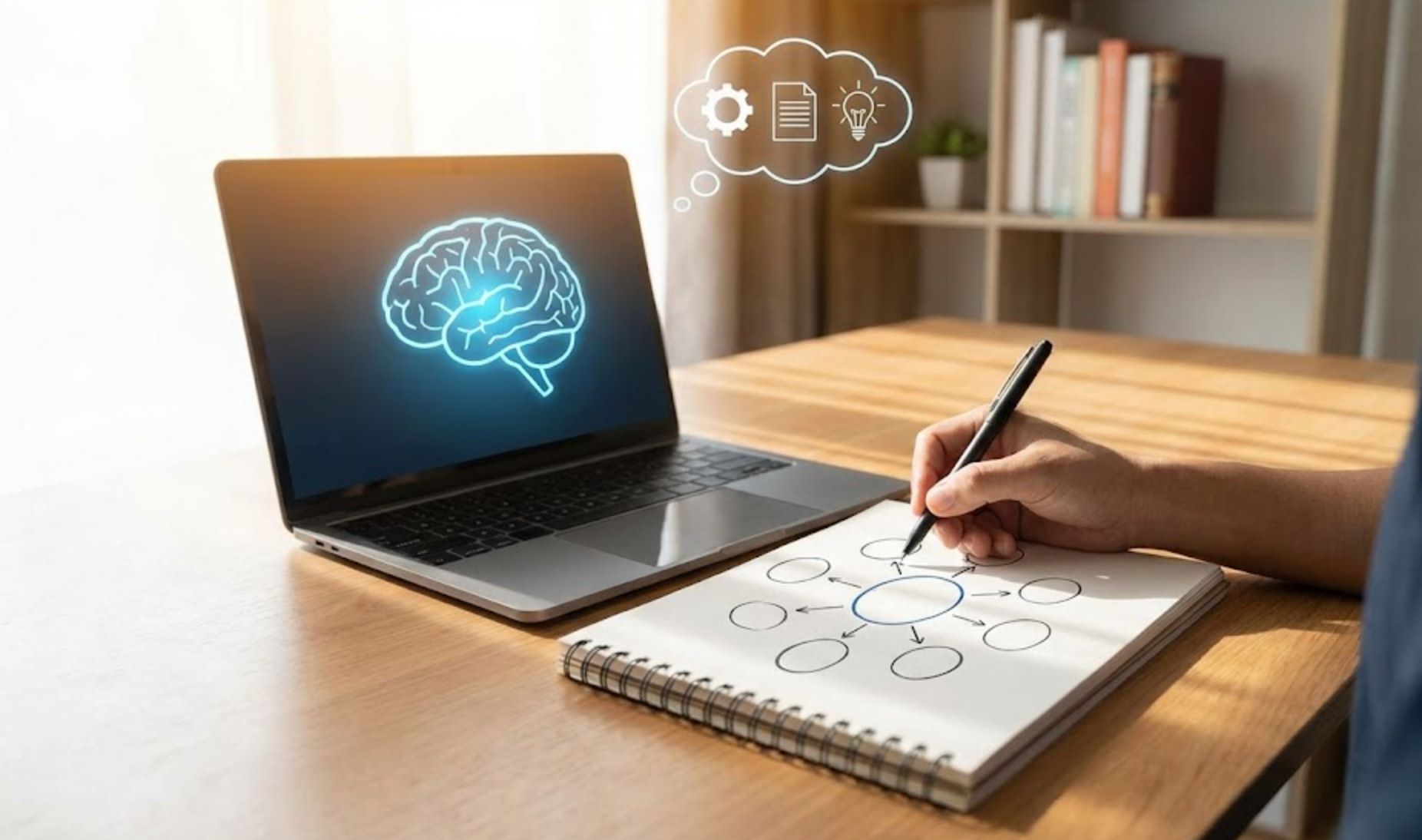
![Teachers using AI find it a helpful ally. One teacher reports that AI tools let her develop ideas [and] materials and evaluate them more quickly giving her extra time to guide students with a critical human perspective](https://inviai.com/storage/uploads/thumbnails/post/ai-tutoring/teachers-using-ai-find-it-a-helpful-ally-one-teacher-reports-that-ai-tools-let-her-develop-ideas-and-materials-and-evaluate-them-more-quickly-giving-her-extra-time-to-guide-students-with-a-critical-human-perspective_large.webp "Teachers using AI find it a helpful ally. One teacher reports that AI tools let her develop ideas [and] materials and evaluate them more quickly giving her extra time to guide students with a critical human perspective")
Conclusion
AI tutoring is a rapidly growing field in education. By using algorithms and chatbots, it can offer tailored lessons, instant feedback, and engaging learning experiences. Research and real-world trials show AI tutors can improve learning outcomes and make studying more efficient.
However, AI tutors have clear limits: they lack real empathy, they can carry biases, and they cannot handle everything a human teacher does. Studies and experts overwhelmingly conclude that teachers' unique skills—emotional support, creativity, ethical guidance, and in-class human interaction—cannot be fully automated.



No comments yet. Be the first to comment!