


































AI analyzes customer behavior to suggest suitable tours
AI is transforming the travel industry by analyzing customer behavior—from search activity and preferences to past bookings—to deliver highly personalized tour recommendations. Using machine learning, natural language processing, and context-aware insights, AI helps travelers quickly find the perfect experiences while enabling travel businesses to boost conversions with smarter, data-driven suggestions.
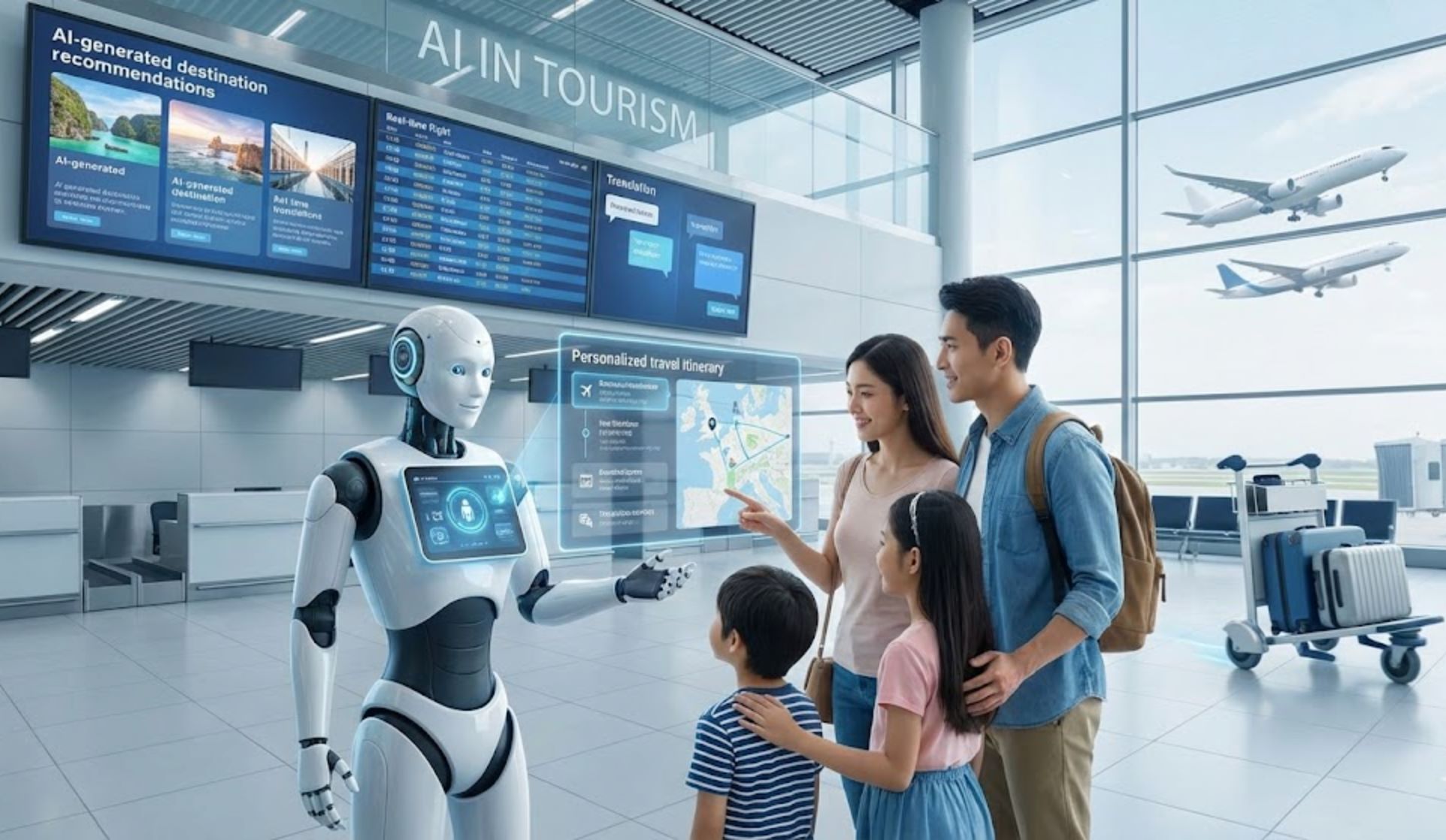
Artificial intelligence is increasingly used by travel companies to study customer behavior—searches, past bookings, reviews, and even social media—to tailor vacation suggestions to each person's tastes. AI systems gather data on user preferences (favorite destinations, activities, budget, etc.) and apply machine learning to detect patterns. These insights let the system "think like a travel agent" and propose tours and itineraries a person is likely to enjoy.
- 1. How AI Recommendation Engines Work
- 2. Key AI Methods in Travel Recommendations
- 3. Benefits of AI-Powered Tour Recommendations
- 4. Leading AI Tools and Platforms
- 4.1. Amazon Personalize (AWS) – Managed ML Service
- 4.2. Google AI (Gemini) & Google Travel – Conversational Planning
- 4.3. Booking.com AI Trip Planner – ChatGPT-Powered
- 4.4. Trip.com TripGen – Virtual Travel Agent
- 4.5. Kayak & Expedia ChatGPT Plugins – Natural Language Search
- 4.6. Tour Booking Platforms – Peek Pro, FareHarbor, Bokun
- 4.7. Viator & GetYourGuide – Marketplace AI
- 5. Putting AI to Work in Practice
- 6. The Result: Truly Tailor-Made Trips
How AI Recommendation Engines Work
AI recommendation engines use customer data as a lens to filter millions of options down to the most relevant. Behind the scenes, techniques like collaborative filtering and contextual analysis power these suggestions.
Collaborative Filtering
Context-Aware Filtering
Key AI Methods in Travel Recommendations
Popularity & Trend Analysis
Highlighting top-rated or trending tours (e.g. seasonal hot spots) to entice the undecided.
Content-Based Filtering
Matching tour attributes (e.g. "hiking", "family-friendly", "foodie tours") to a traveler's past likes or stated interests.
Context-Aware Recommendations
Tailoring suggestions to the traveler's context – time of year, current location, group type, or special events. For instance, suggesting city walking tours at 10 AM but nightlife excursions in the evening.
Cross-Sell and Bundling
Suggesting complementary tours or add-ons. If you book a city sightseeing tour, the system might offer a discounted boat cruise or airport transfer.
Session-Based Recommendations
Adapting in real time to a user's current browsing session (even for new or anonymous users), by quickly learning from their clicks to suggest relevant tours on the fly.
Behavioral Learning
Every interaction (chat with a bot, click on a tour page, or rating a past trip) refines the recommendation model for each user, creating ever more precise tour suggestions.
By combining these methods, AI systems function like expert advisors. One AI-driven hotel platform not only analyzes group behaviors ("travelers like you chose…"), but also each user's history to push relevant options—like automatically surfacing mountain-view lodges if you often book that style.
— Travel Industry Analysis

Benefits of AI-Powered Tour Recommendations
AI-based personalization brings clear benefits to both travelers and travel companies. Customers save time and discover better matches, while travel companies see higher conversion and loyalty.
Key findings: Studies show travel businesses using AI personalization enjoy significantly higher bookings and revenue. One analysis estimates firms using AI recommendation see up to a 40% boost in revenue from better-targeted offerings. A recent survey noted 80% of travelers are more likely to buy when recommendations are tailored to them.
Real-Time Adaptation
Moreover, AI is adaptive. If plans change mid-trip (a rainstorm hits or a show is canceled), smart itineraries can reroute customers to nearby indoor or alternative tours in real time. Autonomous tour-guide apps monitor local conditions and can pivot your schedule on-the-fly, ensuring your tour remains enjoyable despite disruptions. By continuously "listening" to the traveler (through mobile app interactions or chatbot conversations), AI systems keep suggestions current and contextually relevant.

Leading AI Tools and Platforms
A variety of modern AI tools support personalized tour-recommendation approaches. Companies often combine proprietary platforms with third-party AI services to deliver intelligent recommendations at scale.
Amazon Personalize (AWS) – Managed ML Service
A managed machine-learning service for real-time recommendations. In travel, Southeast Asian app Traveloka used Amazon Personalize to suggest tours and activities in its "Xperience" marketplace; the result was a 13% higher click-through rate on suggestions than previous methods.
Google AI (Gemini) & Google Travel – Conversational Planning
Google's latest AI (Gemini) and Travel services are moving toward conversational trip planning. Travelers can now ask Google's AI assistant to craft an itinerary or suggest attractions, rather than only searching by keywords. This reflects a trend of embedding AI into travel search so that "every journey feels custom-made".
Booking.com AI Trip Planner – ChatGPT-Powered
The world's largest hotel and tour booking site has launched an AI Trip Planner integrated into its app. Powered by ChatGPT, it lets users chat about trip details (e.g. "romantic beach getaway in July") and instantly generates personalized destination and tour recommendations. It ties directly into Booking.com's inventory, so users can go from AI suggestion to booking with one tap.
Trip.com TripGen – Virtual Travel Agent
Trip.com (a major global OTA) offers TripGen, an AI chat assistant that provides comprehensive travel planning help. It answers complex questions and delivers tailored plans for flights, hotels, tours and transfers based on the user's profile and queries. By using TripGen on mobile, travelers get an on-demand "virtual travel agent" who remembers their preferences.
Kayak & Expedia ChatGPT Plugins – Natural Language Search
These popular platforms have released ChatGPT plugins that let users converse in natural language about travel. The Kayak plugin can take a query ("hotel in Warsaw near old town") and return live options for hotels, flights, and attractions based on current data. Similarly, the Expedia plugin provides detailed flight, lodging and tour info (with booking links) through a ChatGPT interface. These plugins make personalization easy: users simply tell the AI their needs, and the system queries the platform's database to surface matching tours and deals.
Tour Booking Platforms – Peek Pro, FareHarbor, Bokun
Many tour operators use industry-specific booking systems that incorporate AI recommendation modules. Peek Pro and FareHarbor have introduced AI features that track what each customer browses and books, then suggest similar or complementary experiences. If a visitor is booking a walking city tour, the AI might recommend a nearby boat trip or food tour. These integrated tools help small operators deliver personalization without building their own algorithms.
Viator & GetYourGuide – Marketplace AI
Leading marketplaces for tours and activities leverage AI behind the scenes. Both platforms use machine learning to personalize the list of tours a user sees, showing items most likely to match their interests. If you frequently book cultural experiences, these OTAs will prioritize similar art and history tours in your search results. Sellers can optimize their listings (with keywords and content) to benefit from these AI-driven recommendations.
Putting AI to Work in Practice
In practice, a travel company might combine several of the above tools to create a comprehensive personalization strategy:
Unified Profiles
Use a customer-data platform (like Amperity or Tealium) together with AWS Personalize to build unified guest profiles
AI Recommender
Feed profiles into an AI recommender that powers your mobile app and website
Conversational AI
Deploy a chatbot (powered by IBM Watson or OpenAI) to guide visitors to book the right excursion
On-Site Enhancement
Use tools like Google Lens or translation apps to tailor on-site experiences (e.g. translating museum audio guides)
The key principle: All these systems listen to what travelers do and say, and continuously refine their suggestions based on real behavior and feedback.

The Result: Truly Tailor-Made Trips
As a result, travelers enjoy quicker, more engaging planning. Instead of scrolling through hundreds of tours, they see a curated set of experiences that match their profile. And travel businesses earn more by highlighting the most relevant offers.
Manual Search
- Travelers scroll through hundreds of generic options
- Time-consuming planning process
- Generic recommendations for all users
- Higher abandonment rates
- Lower conversion and satisfaction
Intelligent Curation
- Curated experiences matched to individual profiles
- Quick, engaging planning experience
- Personalized recommendations for each traveler
- Higher engagement and booking rates
- Increased customer satisfaction and loyalty
In short, AI analysis of customer behavior turns raw data into "the perfect tour" recommendations – from first inspiration to final booking – making trips truly feel tailor-made.



No comments yet. Be the first to comment!