


































AI Combined with VR
AI combined with VR is revolutionizing travel destination reviews by offering immersive virtual tours, personalized recommendations, and interactive AI assistance. Travelers can preview destinations in realistic VR, reduce uncertainty, and make smarter booking decisions, while tourism businesses gain powerful tools for marketing and customer experience.
Virtual reality (VR) technology lets travelers explore destinations remotely before ever leaving home. VR tours—through headsets or 360° video—give users a realistic preview of places, from hotel rooms to city streets. Research shows these immersive virtual experiences significantly boost travelers' intent to visit a location. By immersing users in realistic destination imagery, VR builds trust and excitement, transforming travel brochures into live walkthroughs.

AI Enhances VR Travel Experiences
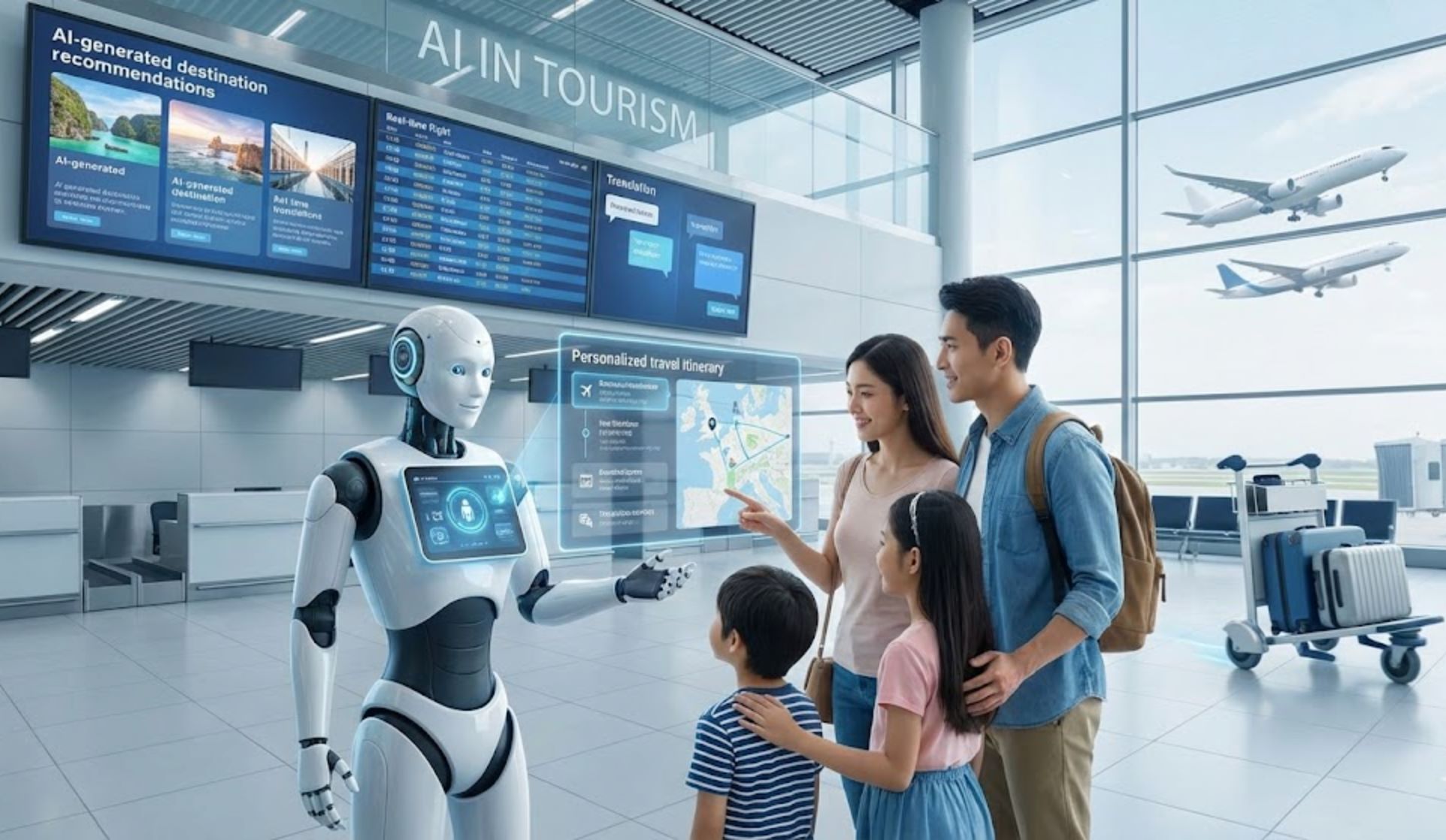
VR alone already enriches travel planning. When artificial intelligence (AI) is added, the experience becomes even smarter and more personalized. AI analyzes your preferences, past trips, and even social-media data to tailor each virtual tour. For example, AI algorithms can suggest hidden gems or create custom itineraries based on your interests. AI-driven chatbots (like advanced virtual travel agents) answer questions, refine plans, and highlight relevant spots. They can even update content dynamically—feeding in current weather, local events, or fresh reviews—so that a VR experience stays up-to-date. In practice, this means one traveler might see adventure sports options, while another sees food and culture sites, all within the same VR tour platform.
Personalization
Interactivity
Real-Time Data
These features make AI-powered VR travel reviews highly engaging. Imagine virtually strolling through a Paris neighborhood in VR while an AI guide points out local favorites or historical context. Cutting-edge VR apps already do this: Meta's Brink Traveler lets you press a "virtual walkie-talkie" button and ask an OpenAI-powered assistant about your VR location ("How high is this cliff?" "What's special about this waterfall?"), receiving spoken answers instantly. Industry observers predict that very soon "clients can experience hotels and attractions virtually" with AI guidance, greatly reducing uncertainty about travel plans. In other words, travel "reviews" become interactive: instead of reading a static description, you experience the destination with an intelligent guide.
Real-World Examples
AI+VR is moving from concept to reality in several platforms:
Brink Traveler (VR App)
Google Earth VR
Virtual Museums & Tours
Travel Planning AI

Benefits for Travelers and Industry
The combination of AI and VR offers significant advantages:
More Confident Choices
VR previews give travelers peace of mind. Studies find that realistic virtual previews boost traveler confidence and encourage bookings. Hotels with VR tours saw roughly a 135% jump in online bookings. Seeing a place virtually increases excitement and reduces anxiety about surprises.
Personalized Experiences
AI customization means each trip fits you perfectly. Travelers save time and get better deals. Industry polls report AI-assisted planners cut research time by ~65%, and 62–78% of people prefer AI-assisted travel planning for more satisfying, tailored journeys.
Increased Accessibility
AI+VR opens destinations to more people. Those with physical limitations or tight budgets can still "visit" faraway sites virtually. On-site technologies help non-native speakers or visually impaired guests navigate attractions. 73% of tourists now seek tech-immersive experiences when choosing destinations.
Marketing Edge
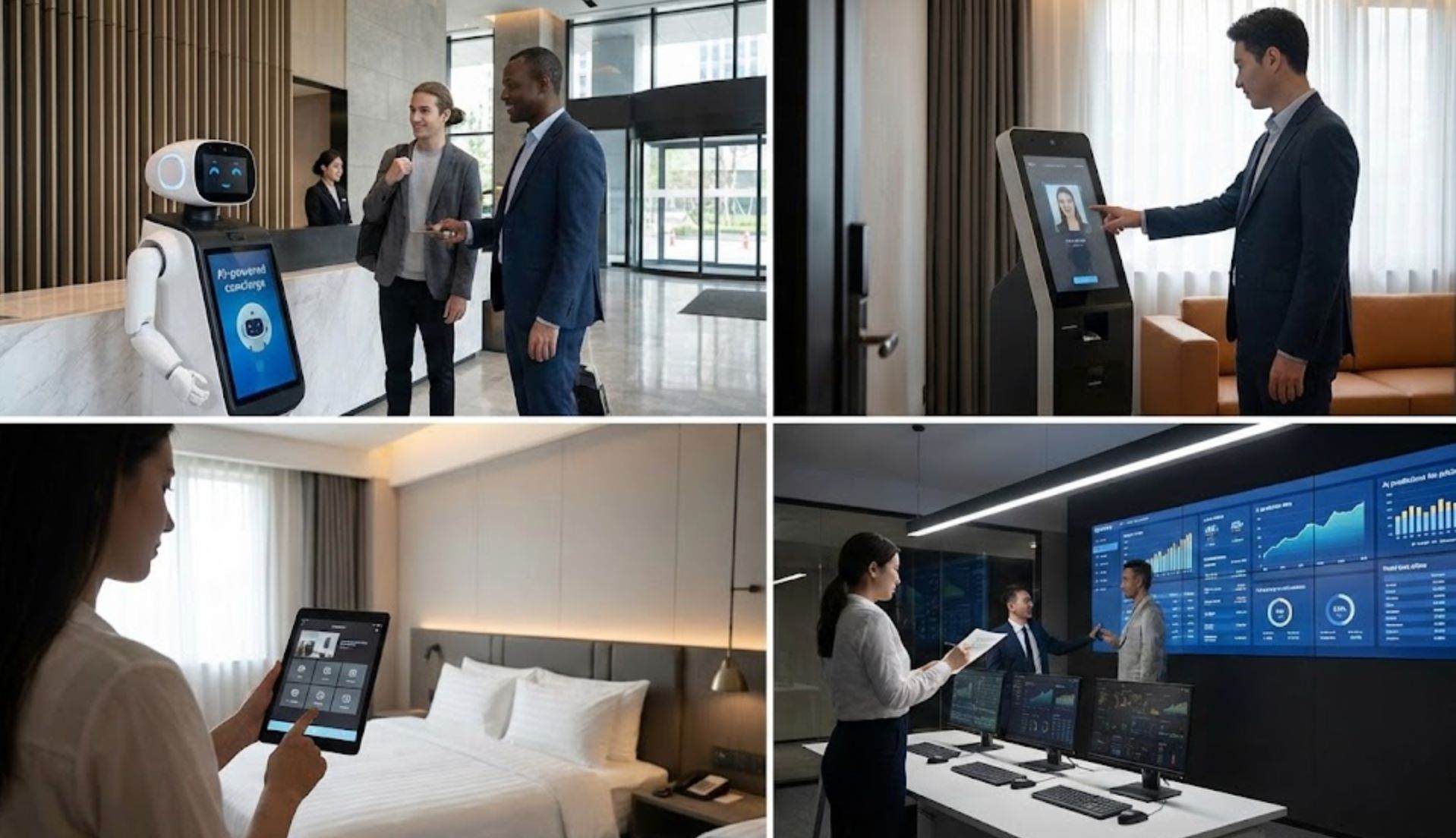
For tourism businesses, AI+VR is a powerful promotional tool. Interactive virtual tours catch travelers' attention far more than flat photos. Personalized VR showcases let hotels, airlines, and destinations tell compelling stories and stand out in a crowded market.

Challenges and Outlook
However, both fields are advancing rapidly. VR headsets are becoming more affordable and user-friendly, and AI models are growing more accurate. Industry reports predict continued growth: the combined AR/VR travel market was already valued in the hundreds of billions, and surveys forecast more travel brands adopting these tools. As one analysis notes, travel trends for 2025 explicitly highlight "technology integration" – especially "advancements in artificial intelligence and virtual reality [that are] enhancing the travel experience".

Conclusion
AI combined with VR is reshaping how we review and explore travel destinations. By merging immersive virtual tours with intelligent personalization, these technologies let travelers try before they buy—walking through hotels, streets, and attractions from their living room, guided by an AI assistant. The result is a travel planning process that is more engaging, informed, and tailored than ever before. As industry observers conclude, advances in AI and VR are increasingly central to travel experiences. In the near future, virtual destination reviews powered by AI could become a standard first step for millions of travelers, making journeys smoother and more exciting from the very start.



No comments yet. Be the first to comment!