


































AI sa Medisina at Pangangalagang Pangkalusugan
Ang Artipisyal na Intelihensiya (AI) ay nagbabago ng medisina at pangangalagang pangkalusugan sa pamamagitan ng pagpapahusay ng mga diagnosis, pagpapabuti ng pangangalaga sa pasyente, at pagpapadali ng mga operasyon medikal. Mula sa predictive analytics hanggang sa mga personalisadong plano ng paggamot, pinapalakas ng AI ang inobasyon at kahusayan sa industriya ng pangangalagang pangkalusugan.
Ang AI (Artipisyal na Intelihensiya) ay mabilis na nagbabago ng medisina at pangangalagang pangkalusugan sa buong mundo. Sa tinatayang 4.5 bilyong tao na walang access sa mahahalagang serbisyong pangkalusugan at inaasahang kakulangan ng 11 milyong manggagamot pagsapit ng 2030, nag-aalok ang AI ng mga kasangkapan upang mapabuti ang kahusayan, mapalawak ang abot, at mapunan ang mga puwang sa pangangalaga.
Ang mga digital na solusyon sa kalusugan gamit ang AI ay may potensyal na mapahusay ang kahusayan, mabawasan ang gastos, at mapabuti ang mga resulta ng kalusugan sa buong mundo.
— World Economic Forum (WEF)
Sa praktika, ang mga software na pinapagana ng AI ay mas mahusay na kaysa sa tao sa ilang mga gawain sa diagnosis. Halimbawa, ang AI na sinanay sa mga scan ng pasyenteng may stroke ay dobleng tumpak kumpara sa mga eksperto sa klinika sa pagtukoy at pagtukoy ng oras ng stroke sa utak.
- 1. AI-Powered Medical Imaging & Diagnostics
- 2. Suporta sa Klinikal na Desisyon at Pamamahala ng Pasyente
- 3. Kahusayan sa Administratibo at Operasyonal
- 4. Pananaliksik, Pagbuo ng Gamot at Genomics
- 5. Pandaigdigang Kalusugan at Tradisyunal na Medisina
- 6. Pangunahing Benepisyo ng AI sa Pangangalagang Pangkalusugan
- 7. Mga Hamon, Panganib at Etika
- 8. Regulasyon at Pamamahala
- 9. Hinaharap na Pananaw
- 10. Nangungunang AI Tools sa Pangangalagang Pangkalusugan
AI-Powered Medical Imaging & Diagnostics
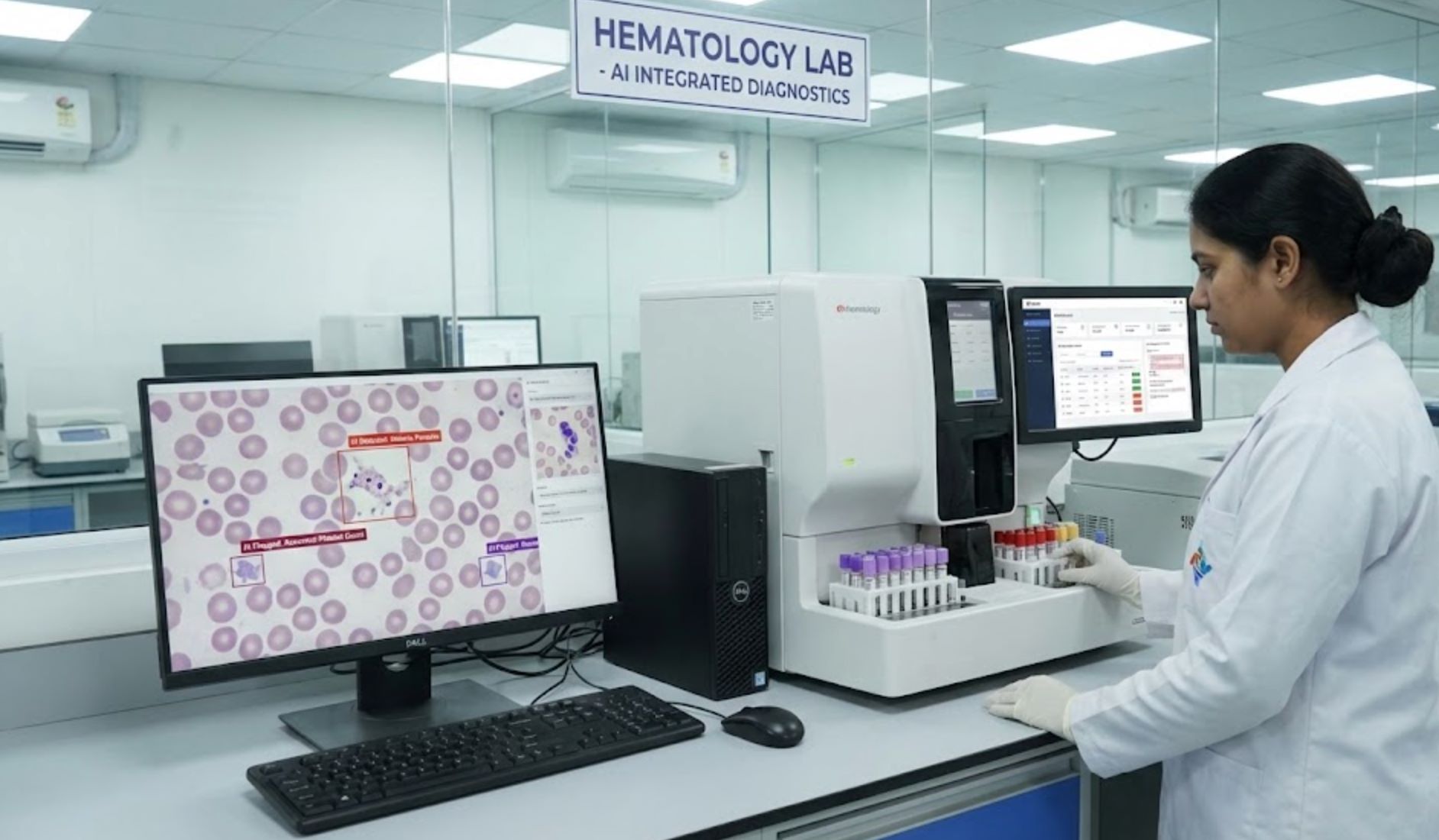
Ang AI ay nagbabasa na ng mga medikal na imahe (tulad ng CT scans at X-rays) nang mas mabilis kaysa sa tao. Kayang makita ng mga kasangkapan ng AI ang mga abnormalidad sa loob ng ilang minuto — mula sa mga scan ng stroke hanggang sa mga bali ng buto — na tumutulong sa mga doktor na mag-diagnose nang mas mabilis at mas tumpak.
Ang mga simpleng gawain sa imaging tulad ng paghahanap ng mga bali ay perpekto para sa AI: ang mga doktor sa urgent care ay maaaring makaligtaan ang hanggang 10% ng mga bali, ngunit ang pagsusuri ng AI ay maaaring mag-flag ng mga ito nang maaga. Sa pamamagitan ng pagiging "ikalawang pares ng mga mata," tumutulong ang AI na maiwasan ang mga hindi natukoy na diagnosis at hindi kailangang mga pagsusuri, na posibleng magpabuti ng mga resulta at magpababa ng gastos.

Suporta sa Klinikal na Desisyon at Pamamahala ng Pasyente
Pinapalakas din ng AI ang suporta sa klinikal na desisyon at pamamahala ng pasyente. Kayang suriin ng mga advanced na algorithm ang datos ng pasyente upang gabayan ang pangangalaga.
Maagang Pagkilala sa Sakit
Kayang tuklasin ng mga modelo ng AI ang mga palatandaan ng sakit taon bago lumitaw ang mga sintomas:
- Prediksyon ng Alzheimer’s
- Pagpapahayag ng sakit sa bato
- Pagsusuri ng panganib sa kanser
Mga Clinical Chatbot at LLMs
Mga espesyal na sistema na pinagsasama ang LLMs sa mga medikal na database:
- 58% kapaki-pakinabang na sagot sa klinika (pag-aaral sa US)
- Retrieval-augmented generation
- Kakayahan bilang digital assistant
Mga Digital Patient Platform
Isa pang lumalaking larangan ang mga digital patient platform. Halimbawa, ginagamit ng Huma platform ang AI-driven monitoring at triage upang mabawasan ang muling pagpasok sa ospital ng 30% at mapababa ang oras ng pagsusuri ng clinician ng hanggang 40%.
Ang mga remote monitoring device (tulad ng mga wearable at smart apps) ay gumagamit ng AI upang patuloy na subaybayan ang mga vital signs — na nagpepredict ng mga problema sa ritmo ng puso o antas ng oxygen sa real-time — na nagbibigay sa mga doktor ng datos upang maagap na makialam.
Kahusayan sa Administratibo at Operasyonal
Sa mga administratibo at operasyonal na gawain, pinapagaan ng AI ang mga trabaho. Nag-aalok na ngayon ang mga malalaking tech company ng "AI co-pilots" para sa pangangalagang pangkalusugan:
Dragon Medical One
Mga Kasangkapan ng Google AI
Estadistika ng Paggamit ng AI
Ipinapakita ng mga survey na ginagamit na ng mga doktor ang AI para sa mga rutinang dokumentasyon at serbisyo sa pagsasalin. Sa isang survey ng AMA noong 2024, 66% ng mga doktor ang nag-ulat ng paggamit ng AI tools (mula 38% noong 2023) para sa mga gawain tulad ng pag-chart, pag-cocode, mga plano sa pangangalaga o kahit paunang diagnosis.
Pananaliksik, Pagbuo ng Gamot at Genomics
Higit pa sa klinika, binabago ng AI ang pananaliksik medikal at pagbuo ng gamot. Pinapabilis ng AI ang pagdiskubre ng gamot sa pamamagitan ng pag-predict kung paano kumikilos ang mga molekula, na nakakatipid ng maraming taon ng trabaho sa laboratoryo.
AlphaFold
Prediksyon ng Kanser
Diagnosis ng TB
Nakikinabang din ang genomics at personalisadong medisina: kayang suriin ng AI ang malawak na datos ng genetika upang iangkop ang mga paggamot sa bawat pasyente. Sa oncology, ginagamit ng mga mananaliksik ng Mayo Clinic ang AI sa imaging (tulad ng CT scans) upang mag-predict ng pancreatic cancer 16 na buwan bago ang klinikal na diagnosis — na posibleng magbigay-daan sa mas maagang interbensyon para sa sakit na may napakababang survival rate.

Pandaigdigang Kalusugan at Tradisyunal na Medisina
Umaabot ang epekto ng AI sa buong mundo. Sa mga lugar na may limitadong resources, maaaring punan ng AI sa smartphone ang mga puwang sa pangangalaga: halimbawa, isang AI-powered ECG app ang nagfa-flag ng mga panganib sa sakit sa puso, kahit na kakaunti ang mga cardiologist.
- India: AI-driven digital library ng mga tekstong Ayurvedic
- Ghana at Korea: AI classification ng mga halamang gamot
- Agenda ng WHO: Ginagawang mas accessible ang tradisyunal na medisina sa buong mundo
Bahagi ng mga pagsisikap na ito — na bahagi ng agenda ng WHO — ang gawing mas accessible ang tradisyunal na medisina sa buong mundo nang hindi sinasamantala ang mga lokal na komunidad. Sa pangkalahatan, tinitingnan ang AI bilang paraan upang matamo ang universal health coverage (isang layunin ng UN pagsapit ng 2030) sa pamamagitan ng pagpapalawak ng serbisyo sa mga liblib o hindi napaglilingkurang lugar.

Pangunahing Benepisyo ng AI sa Pangangalagang Pangkalusugan
Mas Mabilis at Mas Tumpak na Diagnosis
Kayang iproseso ng AI ang mga imahe at datos sa malawakang sukat, madalas na natutukoy ang mga bagay na hindi nakikita ng tao
Personal na Pangangalaga
Inaangkop ng mga algorithm ang mga plano ng paggamot mula sa datos ng pasyente (genetika, kasaysayan, pamumuhay)
Pagtaas ng Kahusayan
Ang awtomasyon ng mga papeles at rutinang gawain ay malaki ang naitutulong upang mabawasan ang pagkapagod ng mga clinician
Pagtipid sa Gastos
Tinataya ng McKinsey na maaaring makatipid ang AI ng daan-daang bilyong dolyar taun-taon sa pamamagitan ng pinahusay na produktibidad
Pinalawak na Access
Pinapayagan ng AI-driven telemedicine ang mga rural o mahihirap na rehiyon na magkaroon ng access sa ekspertong pagsusuri
Mas Magandang Resulta
Nakikinabang ang mga pasyente mula sa pinabuting kalusugan at mas mababang gastos sa pangangalagang pangkalusugan
Malaki ang pangako ng AI para mapabuti ang paghahatid ng pangangalagang pangkalusugan at medisina sa buong mundo.
— World Health Organization (WHO)

Mga Hamon, Panganib at Etika
Sa kabila ng pangako, humaharap ang AI sa pangangalagang pangkalusugan sa seryosong mga hamon na kailangang tugunan upang matiyak ang ligtas at patas na paggamit.
Pribasiya at Seguridad ng Datos
Napaka-sensitibo ng datos ng kalusugan, at ang hindi maayos na pag-de-identify ay maaaring maglagay sa panganib ng kumpidensyalidad ng pasyente. Mahalaga ang matibay na mga hakbang sa seguridad at pagsunod sa mga regulasyon tulad ng HIPAA at GDPR.
Pagkiling sa mga Modelo ng AI
Kung ang mga algorithm ay sinanay gamit ang hindi magkakaibang datos (halimbawa, karamihan ay mula sa mga pasyente sa mayayamang bansa), maaaring hindi ito gumana nang maayos para sa iba.
Tiwala at Pagsasanay ng mga Clinician
Ang mabilis na pag-deploy ng AI nang walang tamang edukasyon ay maaaring magdulot ng maling paggamit o pagkakamali. Kailangan ng mga propesyonal sa pangangalagang pangkalusugan ng komprehensibong pagsasanay upang maunawaan ang kakayahan at limitasyon ng AI.
Dapat maintindihan ng mga gumagamit at malaman kung paano i-mitigate ang mga limitasyon ng AI.
— Oxford Ethicist
Mga Hallucination at Error ng AI
Ang mga sistema ng AI (lalo na ang mga LLM) ay maaaring mag-hallucinate — gumawa ng mga impormasyong medikal na mukhang makatotohanan ngunit mali.
- Paminsan-minsan ay nag-iimbento ng detalye ang OpenAI's Whisper sa mga transcription
- Madalas na hindi nagbibigay ng ganap na ebidensyang medikal na sagot ang mga popular na LLM
- Mahigpit pa rin ang pangangailangan ng human oversight para sa lahat ng AI-generated na medikal na nilalaman
Mga Prinsipyo ng WHO sa Etika para sa AI sa Pangangalagang Pangkalusugan
Autonomy
Kalusugan at Kaligtasan
Transparency
Panagot
Katarungan
Sustainability

Regulasyon at Pamamahala
Ang mga regulator sa buong mundo ay kumikilos na upang matiyak na ang mga sistema ng AI sa pangangalagang pangkalusugan ay sumusunod sa mga pamantayan ng kaligtasan at bisa.
Lapit ng FDA
- Mabilis na naaprubahan ang 1,000+ AI-enabled medical devices
- Enero 2025: Komprehensibong draft guidance para sa AI/ML software
- Saklaw ang buong lifecycle mula disenyo hanggang post-market monitoring
- Tinutugunan nang malinaw ang transparency at bias
- Nagre-review ng mga patakaran para sa AI sa pagbuo ng gamot
Regulasyon ng EU at UK
- EU AI Act (2024): Tinukoy ang AI sa pangangalagang pangkalusugan bilang "high-risk"
- Mahigpit na mga kinakailangan para sa pagsusuri at dokumentasyon
- Mandatoryong human oversight para sa mga kritikal na sistema
- UK MHRA: Nireregula ang mga AI medical device sa ilalim ng umiiral na batas
- Binibigyang-diin ang klinikal na beripikasyon at kaligtasan
Kayang pagbutihin ng AI ang kalusugan ng milyon-milyon kung gagamitin nang matalino, ngunit maaari rin itong magamit nang mali at magdulot ng pinsala.
— Dr. Tedros Adhanom Ghebreyesus, WHO Director-General
Kaya, nananawagan ang mga internasyonal na organisasyon para sa mga guardrail na nagsisiguro na ang anumang AI tool ay ligtas, batay sa ebidensya, at patas.

Hinaharap na Pananaw
Sa pagtingin sa hinaharap, lalaki pa ang papel ng AI sa pangangalagang pangkalusugan. Nangangako ang hinaharap ng walang kapantay na integrasyon ng AI sa lahat ng aspeto ng medikal na pangangalaga, mula sa pag-iwas hanggang sa paggamot at higit pa.
Advanced Generative AI
Ang generative AI (tulad ng advanced LLMs) ay magpapagana ng mas maraming apps na nakatuon sa pasyente at mga tulong sa desisyon — hangga't bumubuti ang katumpakan. Ang integrasyon sa electronic health records at genomics ay lilikha ng mas personalisadong pangangalaga.
AI-Assisted Surgery
Ang robotics at AI-assisted surgery ay magiging karaniwan sa mga high-tech na ospital, na nag-aalok ng katumpakan at konsistensi na lampas sa kakayahan ng tao.
Patuloy na Pagsubaybay sa Kalusugan
Ang mga wearable sensor kasama ang mga algorithm ng AI ay patuloy na susubaybay sa mga metric ng kalusugan, magbibigay ng alerto sa pasyente at doktor bago pa man magkaroon ng emergency.
Pandaigdigang Pamamahala ng AI
Ang mga pandaigdigang inisyatiba (tulad ng WEF's AI Governance Alliance) ay naglalayong mag-coordinate ng responsableng pag-unlad ng AI sa buong mundo.
Sa may pag-iingat na optimismo, nagsisimula nang yakapin ng mga sistema ng pangangalagang pangkalusugan ang AI upang makamit ang mas magandang kalusugan para sa mas maraming tao — mula sa matatalinong diagnosis at pinadaling klinika hanggang sa mga breakthrough sa paggamot at pandaigdigang katarungan sa kalusugan.

Nangungunang AI Tools sa Pangangalagang Pangkalusugan

Ada Health
Impormasyon ng Aplikasyon
| Tagapag-develop | Ada Health GmbH, isang kumpanya ng teknolohiyang pangkalusugan na nakabase sa Berlin na itinatag noong 2011 nina Claire Novorol, Martin Hirsch, at Daniel Nathrath |
| Sinusuportahang Mga Device | Android (Google Play), iOS / iPhone (App Store), Web browser (ada.com) |
| Mga Wika at Availability | Available sa Ingles, Aleman, Pranses, Espanyol, Portuges, Romanian, at Swahili. Ginagamit sa mahigit 148 bansa sa buong mundo |
| Presyo | Libreng gamitin para sa mga consumer. May komersyal na enterprise at integrasyon sa mga sistema ng kalusugan |
Ano ang Ada Health?
Ang Ada ay isang kasangkapan sa pagsusuri ng sintomas na pinapagana ng AI na tumutulong sa mga gumagamit na suriin ang kanilang mga sintomas, makatanggap ng mga posibleng mungkahi ng kondisyon, at makakuha ng personalisadong gabay sa mga susunod na hakbang—kung ito man ay pag-aalaga sa sarili, pag-schedule ng pagbisita sa doktor, o paghahanap ng emergency care.
Pinagsasama ng platform ang kaalaman mula sa mga clinician na pinili at lohika ng matalinong pangangatwiran upang maghatid ng mga tanong na angkop sa sitwasyon at paliitin ang mga posibleng sanhi. Maaaring subaybayan ng mga gumagamit ang pag-usad ng sintomas sa paglipas ng panahon, mag-export ng detalyadong mga ulat, at gamitin ang mga insight upang mapadali ang mas maalam na pag-uusap sa mga tagapagbigay ng pangangalagang pangkalusugan.
Paano Gumagana ang Ada: Pinagsamang Klinikal na Katiyakan at AI
Sa masikip na larangan ng digital na kalusugan, namumukod-tangi ang Ada dahil sa klinikal na katiyakan, kaligtasan ng gumagamit, at hybrid na kaalaman-at-pangangatwirang pamamaraan—sa halip na umasa lamang sa black-box na mga algorithm ng machine learning.
Ang matalinong lohika ng app ay dinamiko na pumipili ng susunod na tanong batay sa iyong mga naunang sagot, na nag-o-optimize para sa kalinawan ng diagnosis habang pinapaliit ang pasanin ng gumagamit. Ginagabayan ka nito sa isang daloy na parang pag-uusap: nagsisimula sa iyong pangunahing sintomas, pagkatapos ay sumasagot sa mga tanong tungkol sa pagsisimula, tindi, tagal, at mga kaugnay na katangian. Ang interaktibong prosesong ito ay tumutulong sa Ada na bumuo ng isang niraranggo na listahan ng mga posibleng hypothesis ng diagnosis kasabay ng ebidensyang payo sa triage.

Pangunahing Mga Tampok
Interface na parang pag-uusap na may matalinong mga gabay na tanong na umaangkop batay sa iyong mga sagot
Tumanggap ng malinaw na gabay kung mag-aalaga sa sarili, mag-schedule ng pagbisita sa doktor, o maghahanap ng emergency care
Subaybayan ang mga trend at pagbabago ng sintomas upang matukoy ang mga pattern at pag-usad
Gumawa at magbahagi ng komprehensibong mga ulat sa PDF sa iyong mga tagapagbigay ng pangangalagang pangkalusugan
In-app na medikal na aklatan na may detalyadong paliwanag ng mga kondisyon at impormasyon sa kalusugan
Gumawa at pamahalaan ang mga profile para sa mga miyembro ng pamilya upang suriin ang sintomas para sa iba
I-download o Link ng Access
Paano Gamitin ang Ada Health
I-download ang Ada mula sa Google Play Store, Apple App Store, o direktang i-access sa web browser sa ada.com
Ilagay ang mga pangunahing impormasyon kabilang ang edad, biological sex, at kaugnay na kasaysayan ng medikal tulad ng mga chronic na kondisyon o gamot
Piliin ang iyong pangunahing sintomas mula sa listahan (hal., sakit ng ulo, ubo, lagnat, pagkapagod)
Sagutin ang matalinong mga tanong ng Ada tungkol sa tagal, tindi, lokasyon, at mga kasamang sintomas ng iyong sintomas
Tingnan ang niraranggo na listahan ng mga posibleng kondisyon na may detalyadong paliwanag at ebidensyang payo sa triage
I-log ang karagdagang mga sintomas sa loob ng mga araw o linggo upang subaybayan ang pag-usad at matukoy ang mga pattern
Gumawa ng komprehensibong buod sa PDF upang ibahagi sa iyong doktor para sa mas maalam na konsultasyon
Palitan ang mga wika, pamahalaan ang maramihang profile, o ayusin ang mga kagustuhan sa menu ng mga setting
Mahahalagang Limitasyon at Mga Pagsasaalang-alang
- Ang katumpakan ng diagnosis at triage ay probabilistiko—maaaring maling ma-interpret ng Ada ang mga bihira o komplikadong kaso medikal
- Nakasalalay ang kalidad ng pagsusuri sa malinaw at kumpletong input ng gumagamit; ang malabong sagot ay maaaring magpababa ng katumpakan
- Ang ilang mga tampok o integrasyon ng data ay maaaring limitado ng rehiyon o mga aprubasyon ng regulasyon
- Sa mga emergency o seryosong sintomas, laging humingi ng agarang propesyonal na medikal na tulong
Madalas Itanong
Oo, ang Ada ay nakategorya bilang CE-certified Class IIa na medikal na device sa ilalim ng mga regulasyon ng EU, na sumusunod sa mahigpit na pamantayan ng kaligtasan at pagganap para sa medikal na software.
Nakumpleto na ng Ada ang milyun-milyong pagsusuri ng sintomas sa buong mundo at aktibong ginagamit sa mahigit 148 bansa, kaya isa ito sa mga pinakaginagamit na AI na kasamang pangkalusugan.
Sa mga paghahambing na klinikal na pag-aaral, ang top-3 diagnostic match rate ng Ada ay humigit-kumulang 63%, at ang mga rekomendasyon nito sa triage ay tumutugma sa hatol ng mga doktor ng mga 62% ng oras. Bagaman kahanga-hanga para sa isang AI tool, ito ay idinisenyo upang maging karagdagan—hindi kapalit—ng propesyonal na medikal na pagsusuri.
Hindi, ang consumer symptom checker app ay ganap na libre para sa mga indibidwal na gumagamit. Nag-aalok din ang Ada ng komersyal na enterprise integrations at pakikipagtulungan sa mga sistema ng kalusugan para sa mga organisasyong pangkalusugan.
Sinusuportahan ng Ada ang pitong wika (Ingles, Aleman, Pranses, Espanyol, Portuges, Romanian, at Swahili) at available sa maraming bansa sa buong mundo. Gayunpaman, maaaring mag-iba ang mga partikular na opsyon sa wika at availability ng mga tampok depende sa rehiyon dahil sa mga regulasyong pangkalusugan.

K Health
Impormasyon ng Aplikasyon
| May-akda / Tagapag-develop | K Health (dating Kang Health), isang pribadong kumpanya na pinapagana ng AI sa pangangalagang pangkalusugan na itinatag noong 2016 sa New York, USA. |
| Sinusuportahang Mga Device | Android (Google Play), iOS / iPhone (App Store), Web browser interface sa pamamagitan ng website ng K Health |
| Mga Wika / Bansa | Ingles (pangunahing wika). Available sa 48 estado ng U.S. para sa mga virtual na serbisyo na may mga pambansang partnership sa sistema ng kalusugan. |
| Modelo ng Pagpepresyo | Libreng symptom checker. Nangangailangan ng bayad ang mga virtual na pagbisita sa mga kliniko (bayad kada pagbisita o subscription ng pagiging miyembro). |
Pangkalahatang Pagsusuri
Ang K Health ay isang telehealth at AI-powered na plataporma para sa pangunahing pangangalaga na nagpapahintulot sa mga gumagamit na suriin ang mga sintomas, kumonekta sa mga tagapagbigay ng pangangalagang pangkalusugan, at pamahalaan ang pangangalaga nang malayo.
Pinagsasama ng plataporma ang isang symptom assessment engine—na pinapagana ng datos mula sa milyun-milyong anonymized na medikal na rekord—kasama ang live na access sa mga lisensyadong kliniko. Maaaring makatanggap ang mga gumagamit ng diagnosis, reseta, payo para sa pamamahala ng pangmatagalang kondisyon, at agarang pangangalaga, lahat nang hindi na kailangang pumunta sa klinika nang personal.
Detalyadong Panimula
Sa kompetitibong larangan ng digital na kalusugan, inilalagay ng K Health ang sarili bilang isang AI-augmented na solusyon para sa pangunahing pangangalaga at agarang pangangalaga na nakatuon sa mga konsumer na naghahanap ng mabilis, abot-kaya, at madaling ma-access na medikal na pangangalaga. Binibigyang-diin ng plataporma ang mga virtual na pagbisita sa doktor, 24/7 na pangangalaga, pagsusuri ng sintomas, telemedicine, at AI-powered na tulong sa kalusugan.
Ang hybrid na modelo ng plataporma—pagsusuri ng sintomas na sinusundan ng konsultasyon sa kliniko—ay naglalayong bawasan ang mga hadlang sa pagpasok sa pangangalagang pangkalusugan. Ang paggamit nito ng anonymized na datos ng paggamot mula sa "mga taong katulad mo" ay tumutulong upang gawing personal ang mga rekomendasyon at naiiba ito sa mga simpleng symptom checker. Pinatitibay ng pampublikong nilalaman ng K Health ang awtoridad para sa mga tanong tungkol sa kalusugan sa pamamagitan ng komprehensibong FAQ, mga blog post, paliwanag ng sintomas, at mga pang-edukasyong materyales.

Pangunahing Mga Tampok
Libreng pagsusuri ng sintomas na nagpapakita kung paano na-diagnose at ginamot ang mga taong katulad mo, pinapagana ng milyun-milyong anonymized na medikal na rekord.
Chat, video, o messaging na access sa mga lisensyadong kliniko para sa agarang at pangunahing pangangalaga anumang oras na kailangan mo.
Malayuang pangangalaga at patuloy na suporta para sa mga kondisyon tulad ng altapresyon, diabetes, at pamamahala ng timbang.
Kumuha ng mga reseta at paghahatid mula sa botika kung angkop medikal, direkta sa pamamagitan ng plataporma.
Malalaking dataset ng rekord ng pasyente ang gumagabay sa mga desisyon sa pangangalaga gamit ang "mga taong katulad mo" na modelo para sa personalisadong mga rekomendasyon.
Link para sa Pag-download o Pag-access
Gabay ng Gumagamit
I-download ang app mula sa Google Play o App Store, o i-access sa pamamagitan ng web browser.
Ilagay ang iyong mga sintomas at sagutin ang mga follow-up na tanong para sa personalisadong pagsusuri.
Tingnan ang mga posibleng kondisyon at kung paano ginamot ang iba na may katulad na sintomas.
Kung kinakailangan, kumonekta sa pamamagitan ng chat, video, o mensahe para sa diagnosis, mga reseta, o medikal na payo.
Mag-iskedyul ng follow-up, kumuha ng personalisadong mga plano sa pangangalaga, at subaybayan ang iyong progreso sa paglipas ng panahon.
Kumuha ng mga aprubadong gamot na ihahatid direkta sa iyong address.
Tingnan ang mga nakaraang pagbisita at ibahagi ang mga ulat sa mga panlabas na tagapagbigay kung kinakailangan.
Mga Tala at Limitasyon
- Ang symptom checker ay hindi nagbibigay ng tiyak na diagnosis—ang mga resulta ay pang-impormasyon lamang, hindi mga medikal na desisyon.
- Ang katumpakan ay probabilistiko; sa mga klinikal na vignette, mas mababa ang top-3 diagnosis match rates ng K Health kumpara sa mga general practitioner.
- Ang ilang mga medikal na kondisyon ay maaaring mangailangan ng pisikal na eksaminasyon, imaging, o mga laboratory test na hindi maaaring ibigay sa telehealth.
- Limitado o ipinagbabawal ang pagreseta ng mga kontroladong substansiya sa telehealth sa maraming hurisdiksyon.
- Ang availability ng serbisyo ay nililimitahan ng heograpiya, lisensya, at mga regulasyon ng estado—maaaring hindi maibigay ang ilang tampok sa lahat ng lugar.
Madalas Itanong
Oo, nakikipag-partner ang K Health sa mga sistema ng kalusugan at nagpapatakbo alinsunod sa mga regulasyon ng telehealth at medikal sa mga hurisdiksyon ng U.S.
Karaniwang nasa humigit-kumulang $73 ang isang beses na virtual na pagbisita, o maaari kang mag-subscribe para sa walang limitasyong pagbisita (unang buwan $49) at pagkatapos ay sisingilin kada quarter.
Habang nag-aalok ang K Health ng mga serbisyo para sa pangunahing at pangmatagalang pangangalaga, maaaring hindi nito ganap na mapalitan ang personal na pangangalaga para sa mga kumplikadong kaso o eksaminasyong nangangailangan ng pisikal na pagsusuri.
Karamihan sa mga serbisyo ay out-of-pocket; karaniwang hindi tinatanggap ng K Health ang insurance para sa mga virtual na pagbisita nito.
Ina-anonymize at pinagsasama-sama ng K Health ang datos na ginagamit sa AI model nito, at ang mga kliniko ay may access lamang sa mga kaugnay na medikal na datos sa panahon ng konsultasyon. Sumusunod ang plataporma sa mga patakaran sa privacy at mga regulasyon sa seguridad.

Heidi Health
Impormasyon ng Aplikasyon
| May-akda / Tagapag-develop | Ang Heidi Health ay isang kumpanya ng teknolohiyang pangkalusugan mula sa Australia (dating itinatag bilang Oscer) na pinamumunuan ni Dr. Thomas Kelly. Nagde-develop ito ng AI na software para sa medikal na tagasulat upang tulungan ang mga tagapagbigay ng pangangalagang pangkalusugan sa pag-automate ng klinikal na dokumentasyon. |
| Sinusuportahang Mga Device |
|
| Mga Wika / Mga Bansa | Ginagamit ang Heidi sa buong mundo at pinagkakatiwalaan sa mahigit 50 bansa. Sinusuportahan ng platform ang maraming espesyalisasyon, uri ng dokumento, at maraming wika sa mga tala (hal., mga tala sa therapy sa paboritong wika ng pasyente). |
| Modelo ng Pagpepresyo | Nag-aalok ang Heidi ng libreng pangunahing plano na sumusuporta sa baseline na paggawa ng tala at transcription. Ang mga premium na tampok (hal., mga pasadyang template, katulong na "Ask Heidi", advanced na paggawa ng dokumento) ay makukuha sa ilalim ng mga bayad na tier. |
Pangkalahatang Pagsusuri
Ang Heidi Health ay isang AI-powered na platform para sa medikal na tagasulat na idinisenyo upang mabawasan ang pasaning administratibo sa mga clinician.
Kinukuha nito ang mga pag-uusap ng clinician–pasyente nang real time (o sa offline capture mode), isinusulat ang pagsasalita sa teksto, at gumagawa ng mga nakaayos na klinikal na tala, referral, buod ng pasyente, at iba pang dokumento sa pangangalagang pangkalusugan. Layunin ng mga tool nito na hayaan ang mga clinician na mas magpokus sa pangangalaga ng pasyente at mas kaunti ang oras sa pagsusulat ng mga tala.
Sumusunod ang Heidi sa mga pamantayan ng privacy ng data tulad ng HIPAA, GDPR, ISO 27001, at ginawa para sa multi-specialty na paggamit sa iba't ibang setting ng pangangalaga.
Detalyadong Panimula
Sa isang masikip na merkado ng mga AI scribes, naiiba ang Heidi Health sa pamamagitan ng pag-aalok ng libreng entry point at pagbibigay-priyoridad sa paggamit ng clinician kaysa sa pilitin ang malalim na integrasyon sa EHR. Ipinopromote ang platform gamit ang mga SEO-relevant na termino tulad ng "AI medical scribe," "automated clinical documentation," "ambient note generation," at "free AI scribe for clinicians." Sinusuportahan ng pampublikong nilalaman ng Heidi (mga blog post tungkol sa ligtas na paggamit ng AI scribes, mga tip para sa setup, mga pahayag sa pagsunod) ang visibility sa paghahanap tungkol sa AI sa kalusugan, medikal na dokumentasyon, at pagpapabuti ng workflow ng clinician.
Pinapayagan ng modelo ng Heidi ang mga clinician na gamitin agad ang default na paggawa ng tala, pagkatapos ay unti-unting ma-unlock ang mga premium na tampok habang nakikita nila ang halaga. Dahil mahalaga ang istilo ng dokumentasyon, sinusuportahan ng Heidi ang mga personalisadong template upang tumugma sa boses ng pagsusulat at workflow ng mga clinician.

Pangunahing Mga Tampok
Kinukuha ang mga konsultasyon nang real time o offline na pagkuha ng audio sa mga mobile device.
Awtomatikong gumagawa ng mga klinikal na tala, liham ng referral, buod ng pasyente, at mga ulat ng pagsusuri.
I-personalize ang mga template at istilo upang tumugma sa iyong natatanging boses bilang clinician at mga kagustuhan sa workflow.
Multi-user na pakikipagtulungan na may mga shared session para sa maraming clinician na nagtutulungan.
Awtomatikong pagsi-sync sa mobile, desktop, at web platform para sa tuloy-tuloy na workflow.
Ganap na sumusunod sa HIPAA, GDPR, ISO 27001, at APP na mga pamantayan para sa proteksyon ng data.
Link para sa Pag-download o Pag-access
Gabay ng Gumagamit
I-download ang mga app sa mobile o desktop, o gamitin ang web version nang direkta sa iyong browser.
Gumawa ng account gamit ang iyong email at password upang makapagsimula.
Simulan ang pag-record ng interaksyon ng clinician-pasyente (sa mobile o desktop) o mag-upload ng mga naunang audio file.
Isinusulat ng Heidi ang pag-uusap at awtomatikong gumagawa ng mga nakaayos na tala, referral, at buod.
Suriin, i-edit, magdagdag ng nilalaman, at ayusin ang mga template o istilo ayon sa iyong mga kagustuhan.
Awtomatikong nagsi-sync ang mga tala sa desktop, mobile, at web environment.
Kung naka-subscribe, i-unlock ang mga pasadyang template, "Ask Heidi" na pagbubuod, at mga advanced na uri ng dokumento.
Mahahalagang Tala at Limitasyon
- Sinusuportahan ng mobile app ang offline na pagkuha ng audio, ngunit kailangan pa rin ng koneksyon para sa paggawa ng nakaayos na tala.
- Maaaring limitado o unidirectional ang integrasyon sa EHR; maaaring hindi palaging suportado ang pagsusulat pabalik sa mga field ng EHR.
- Nakadepende ang katumpakan sa kalidad ng audio, kalinawan ng pagsasalita, at ingay sa paligid; mahalaga ang manu-manong pagsusuri.
- Nagkakaiba-iba ang pagsunod sa regulasyon at privacy depende sa hurisdiksyon; maaaring magkaiba ang mga tampok o availability sa ilang rehiyon.
Madalas Itanong
Ang Heidi ay isang AI medical scribe na nagsusulat ng mga pag-uusap ng clinician–pasyente at gumagawa ng mga nakaayos na klinikal na tala, referral, buod, at iba pang dokumento.
Oo, nag-aalok ang Heidi ng libreng pangunahing plano na may basic na paggawa ng tala at transcription. Nangangailangan ng subscription ang mga premium na tampok.
Sinusuportahan ng Heidi ang iOS, Android, desktop (macOS/Windows), at pag-access sa web browser.
Sa mobile, maaaring kumuha ng audio offline ang Heidi; nagsi-sync ang huling paggawa ng tala kapag nakakonekta muli. Sa desktop, nangangailangan ang Heidi ng aktibong koneksyon sa internet.
Sumusunod ang Heidi sa mga pamantayan sa privacy at seguridad kabilang ang HIPAA, GDPR, ISO 27001, at APP (Australian Privacy Principles), at nagpapatupad ng mga secure na pamamaraan sa pamamahala ng data.

Owkin
Impormasyon ng Aplikasyon
| May-akda / Tagapag-develop | Ang Owkin, na itinatag nina Dr. Thomas Clozel (MD) at Gilles Wainrib (PhD), ay isang kumpanyang bioteknolohiya na nakabase sa Paris, France. |
| Sinusuportahang Mga Device | Web platform (maa-access gamit ang desktop at laptop). Ang ilang internal na tool ay maa-access sa pamamagitan ng secure na mga sistemang institusyonal at API. |
| Mga Wika / Bansa | Available sa buong mundo, sumusuporta sa Ingles at iba pang pangunahing wikang Europeo. May punong tanggapan sa Paris at mga opisina sa New York, London, at iba pang rehiyon. |
| Modelo ng Pagpepresyo | Libre ang access sa mga pangunahing research tool tulad ng K Navigator para sa mga akademikong mananaliksik; ang mga tampok para sa enterprise at pharma ay available sa pamamagitan ng bayad na pakikipagsosyo. |
Pangkalahatang Pagsusuri
Ang Owkin ay isang nangungunang kumpanyang bioteknolohiyang pinapagana ng AI na dalubhasa sa tumpak na medisina, klinikal na pananaliksik, at diagnostics. Ang platform ay gumagamit ng advanced na artificial intelligence sa biomedical na datos, tumutulong sa mga mananaliksik, kliniko, at mga kumpanya ng pharmaceutical na pabilisin ang pagtuklas ng gamot at i-optimize ang mga clinical trial.
Gumagamit ang Owkin ng federated learning upang suriin ang desentralisadong datos ng pasyente habang pinananatili ang pagsunod sa privacy ayon sa mga pamantayan tulad ng GDPR at HIPAA. Sa pamamagitan ng mga AI-driven na tool nito, pinapagana ng kumpanya ang isang kolaboratibong ekosistema na nagpapabuti sa pag-unawa sa sakit at mga resulta ng therapy sa oncology at iba pang larangan ng medisina.
Detalyadong Panimula
Naitatag ng Owkin ang sarili bilang isang lider sa pagsasanib ng AI at agham pang-buhay, binabago kung paano isinasagawa ang medikal na pananaliksik at pag-develop ng gamot. Ang proprietary na platform ng kumpanya ay nag-iintegrate ng multimodal na datos—kabilang ang genomics, histopathology images, at klinikal na impormasyon—gamit ang federated learning upang kumuha ng mga insight mula sa distributed na datos nang hindi ito inilipat.
Ang pinakabagong inobasyon ng kumpanya, ang K Navigator, ay isang agentic AI co-pilot na tumutulong sa mga biomedical na mananaliksik sa pagbuo ng hypothesis, interpretasyon ng datos, at eksplorasyon ng literatura. Layunin ng tool na ito na gawing accessible ang AI-guided na pangangatwiran at pagkilala ng pattern sa komunidad ng agham.
Nakikipagtulungan din ang Owkin sa mga pangunahing kumpanya ng pharmaceutical at mga institusyong pangkalusugan upang mapabuti ang pag-develop ng gamot, pagbutihin ang diagnostics, at i-personalize ang mga estratehiya sa paggamot. Ang mga AI diagnostic solution nito, tulad ng MSIntuit CRC (para sa colorectal cancer) at RlapsRisk BC (para sa breast cancer), ay nagpapakita ng praktikal na aplikasyon ng AI sa mga klinikal na setting.
Sa pagtutok sa privacy ng datos, kolaborasyon, at explainable AI, nangunguna ang Owkin sa pandaigdigang kilusan tungo sa etikal at data-driven na inobasyon sa pangangalagang pangkalusugan.

Pangunahing Mga Tampok
Gumagamit ng multimodal na datasets kabilang ang genomics, pathology, at klinikal na datos para sa komprehensibong pagsusuri.
Tinitiyak ang seguridad at privacy ng datos sa mga institusyon habang pinapagana ang kolaboratibong pagsasanay ng AI model.
AI co-pilot para sa siyentipikong pangangatwiran, eksplorasyon ng hypothesis, at pagsusuri ng literatura.
Mga advanced na solusyon para sa prognosis ng kanser at pag-optimize ng paggamot kabilang ang MSIntuit CRC at RlapsRisk BC.
Sumusuporta sa pagtukoy ng target, pag-optimize ng clinical trial, at pag-develop ng therapy.
Naglilingkod bilang tulay sa mga ospital, mananaliksik, at mga kasosyo sa pharmaceutical sa buong mundo para sa data-driven na inobasyon.
Link para sa Pag-download o Access
Gabay ng Gumagamit
Mag-navigate sa opisyal na website ng Owkin upang tuklasin ang mga available na produkto, solusyon, at mga research tool.
Libreng gamitin para sa mga akademikong mananaliksik. Humiling ng access sa pamamagitan ng K Navigator portal upang simulan ang paggamit ng AI co-pilot para sa biomedical na pananaliksik.
Makipag-ugnayan sa Owkin para sa mga serbisyo sa antas enterprise sa diagnostics, pag-develop ng gamot, o mga institusyonal na kolaborasyon.
Ipapatupad ang mga federated learning framework para sa secure na AI modeling gamit ang datos ng institusyon habang pinananatili ang pagsunod sa privacy.
I-deploy ang mga AI diagnostic tool tulad ng MSIntuit CRC at RlapsRisk BC pagkatapos makuha ang regulatory clearance at aprubal ng institusyon.
Mga Tala at Limitasyon
- Ang Owkin ay pangunahing dinisenyo para sa institusyonal at enterprise na paggamit, hindi para sa mga indibidwal na consumer.
- Ang mga diagnostic tool ay kailangang sumailalim sa mga regulatory approval (hal. CE-IVD certification).
- Ang mga advanced na research at AI modeling na tampok ay nangangailangan ng pakikipagsosyo o access sa enterprise.
- Ang performance ay nakadepende sa kalidad at pagkakaiba-iba ng datos mula sa mga kalahok na institusyon.
- Walang dedikadong mobile application na available para sa pampublikong paggamit.
Madalas Itanong
Ang Owkin ay isang kumpanyang bioteknolohiyang pinapagana ng AI na gumagamit ng machine learning at federated learning upang paunlarin ang tumpak na medisina, pagtuklas ng gamot, at diagnostics.
Ang mga tool ng Owkin ay available para sa mga akademikong mananaliksik, ospital, at mga organisasyong pharmaceutical sa pamamagitan ng pakikipagsosyo o institusyonal na access.
Ang ilang research tool tulad ng K Navigator ay libre para sa mga akademikong gumagamit. Ang mga tampok para sa enterprise at AI diagnostic tool ay nangangailangan ng bayad na lisensya o kasunduan sa kolaborasyon.
Gumagamit ang Owkin ng federated learning, na nagpapahintulot sa mga AI model na magsanay gamit ang lokal na datos sa loob ng mga ospital nang hindi inililipat ang sensitibong impormasyon sa mga central server.
Ang Owkin ay pangunahing nakatuon sa oncology (kanser) ngunit sumusuporta rin sa mas malawak na pananaliksik sa therapeutic sa iba't ibang biomedical na larangan.

Lark Health
Application Information
| Author / Developer | Lark Technologies, Inc. |
| Supported Devices | Android, iOS, at mga compatible na health monitoring device (smart scales, glucose monitors, blood pressure cuffs) |
| Languages / Countries | Ingles; pangunahing available sa Estados Unidos |
| Pricing Model | Libreng gamitin para sa mga gumagamit na may kwalipikadong health insurance o employer programs; limitadong access para sa iba |
What is Lark Health?
Ang Lark Health ay isang AI-powered digital health platform na idinisenyo upang tulungan ang mga gumagamit na maiwasan at pamahalaan ang mga chronic condition tulad ng diabetes, hypertension, at labis na katabaan. Sa pamamagitan ng 24/7 na conversational AI coaching, nagbibigay ang Lark ng personalized na suporta para sa pagpapabuti ng lifestyle, pagbabago ng ugali, at pangmatagalang kalusugan.
Ang mga klinikal na napatunayang programa nito ay ginagamit ng mga pangunahing health plan at employer, na tumutulong sa mga gumagamit na subaybayan ang kanilang mga health metric at makatanggap ng real-time, data-driven na feedback upang manatiling nasa tamang landas patungo sa mas malusog na pamumuhay.
Detailed Overview
Namumukod-tangi ang Lark Health sa digital health ecosystem bilang isang ganap na automated AI health coach na ginagaya ang pag-uusap ng tao upang gabayan ang mga gumagamit patungo sa mas magagandang resulta sa kalusugan. Pinagsasama ng app ang behavioral science, data analytics, at artificial intelligence upang maghatid ng tuloy-tuloy, real-time na coaching na iniangkop sa mga layunin at health data ng bawat gumagamit.
Saklaw ng platform ang mga larangan tulad ng diabetes prevention, hypertension management, pagbaba ng timbang, at behavioral health, na nag-aalok ng mga programang iniangkop at suportado ng klinikal na pananaliksik. Sa pamamagitan ng pagsi-sync sa mga wearable device at app, kinokolekta ng Lark ang data tungkol sa tulog, diyeta, ehersisyo, at mga vital sign, na lumilikha ng isang holistikong larawan ng kalusugan ng gumagamit. Nakikipagtulungan ang kumpanya sa mga nangungunang insurer, kaya accessible ang mga programa nito sa milyun-milyong gumagamit nang walang direktang bayad.

Key Features
Real-time na conversational guidance para sa nutrisyon, fitness, at pagpapabuti ng kalusugan na iniangkop sa iyong lifestyle.
Espesyal na mga programa para sa diabetes prevention, hypertension control, at pamamahala ng timbang.
Madaling pagsi-sync sa mga health tracking device at mobile sensor para sa awtomatikong pag-monitor ng data.
Coaching na nakabatay sa ebidensiya mula sa mga prinsipyo ng cognitive behavioral therapy (CBT).
Available sa pamamagitan ng mga partnered healthcare plan at employer nang walang dagdag na bayad.
Download or Access Link
How to Get Started with Lark Health
Gumawa ng account sa pamamagitan ng website ng Lark Health o mobile app gamit ang iyong email address.
Alamin kung ang iyong insurance provider o employer ay nag-aalok ng mga programa ng Lark nang libre para sa iyo.
I-link ang mga compatible na health monitoring device para sa awtomatikong pagsubaybay ng mga vital, aktibidad, at tulog.
Makipag-chat sa AI coach ng Lark upang makatanggap ng instant feedback at personalized na mga plano ng aksyon para sa iyong mga layunin sa kalusugan.
Suriin ang lingguhang buod at mga insight sa kalusugan upang manatiling motivated at may alam sa iyong wellness journey.
Important Limitations
- Hindi angkop para sa mga emergency o agarang medikal na pangangalaga
- Ang ilang advanced na programa ay nangangailangan ng beripikasyon ng eligibility sa insurance o employer
- Ang bisa ay nakasalalay sa tuloy-tuloy na pakikilahok ng gumagamit at tamang pag-input ng data
- Sa kasalukuyan, sinusuportahan lamang ang Ingles, na naglilimita sa accessibility sa mga rehiyong hindi nagsasalita ng Ingles
Frequently Asked Questions
Libreng gamitin ang Lark Health para sa mga gumagamit na sakop ng partnered insurance plans o employer wellness programs. Ang mga gumagamit na walang kwalipikadong coverage ay maaaring may limitadong access sa ilang tampok.
Hindi. Nagbibigay ang Lark ng AI-powered coaching at suporta para sa pagpapabuti ng lifestyle ngunit hindi ito nag-aalok ng medikal na diagnosis, paggamot, o emergency care. Palaging kumonsulta sa iyong healthcare provider para sa mga medikal na desisyon.
Nagsi-sync ang Lark sa karamihan ng mga smartphone (Android at iOS), smart scales, fitness trackers, glucose monitors, at blood pressure cuffs. Tingnan ang app para sa kumpletong listahan ng mga suportadong device.
Nag-aalok ang Lark ng mga espesyal na programa para sa diabetes prevention, hypertension management, kontrol ng timbang, at pangkalahatang pagpapabuti ng kalusugan sa pamamagitan ng pagbabago ng lifestyle.
Oo. Sumusunod ang Lark sa mga regulasyon ng HIPAA upang matiyak na ang lahat ng data ng gumagamit ay ligtas na protektado, naka-encrypt, at pinananatiling kumpidensyal. Hindi kailanman ibinabahagi ang iyong health information nang walang iyong malinaw na pahintulot.



No comments yet. Be the first to comment!