


































AI sa Medisina at Pangangalagang Pangkalusugan
Ang Artipisyal na Intelihensiya (AI) ay nagbabago ng medisina at pangangalagang pangkalusugan sa pamamagitan ng pagpapahusay ng mga diagnosis, pagpapabuti ng pangangalaga sa pasyente, at pagpapadali ng mga operasyon medikal. Mula sa predictive analytics hanggang sa mga personalisadong plano ng paggamot, pinapalakas ng AI ang inobasyon at kahusayan sa industriya ng pangangalagang pangkalusugan.
Ang AI (Artipisyal na Intelihensiya) ay mabilis na nagbabago ng medisina at pangangalagang pangkalusugan sa buong mundo. Sa tinatayang 4.5 bilyong tao na walang access sa mahahalagang serbisyong pangkalusugan at inaasahang kakulangan ng 11 milyong manggagamot pagsapit ng 2030, nag-aalok ang AI ng mga kasangkapan upang mapabuti ang kahusayan, mapalawak ang abot, at mapunan ang mga puwang sa pangangalaga.
Ang mga digital na solusyon sa kalusugan gamit ang AI ay may potensyal na mapahusay ang kahusayan, mabawasan ang gastos, at mapabuti ang mga resulta ng kalusugan sa buong mundo.
— World Economic Forum (WEF)
Sa praktika, ang mga software na pinapagana ng AI ay mas mahusay na kaysa sa tao sa ilang mga gawain sa diagnosis. Halimbawa, ang AI na sinanay sa mga scan ng pasyenteng may stroke ay dobleng tumpak kumpara sa mga eksperto sa klinika sa pagtukoy at pagtukoy ng oras ng stroke sa utak.
- 1. AI-Powered Medical Imaging & Diagnostics
- 2. Suporta sa Klinikal na Desisyon at Pamamahala ng Pasyente
- 3. Kahusayan sa Administratibo at Operasyonal
- 4. Pananaliksik, Pagbuo ng Gamot at Genomics
- 5. Pandaigdigang Kalusugan at Tradisyunal na Medisina
- 6. Pangunahing Benepisyo ng AI sa Pangangalagang Pangkalusugan
- 7. Mga Hamon, Panganib at Etika
- 8. Regulasyon at Pamamahala
- 9. Hinaharap na Pananaw
- 10. Nangungunang AI Tools sa Pangangalagang Pangkalusugan
AI-Powered Medical Imaging & Diagnostics
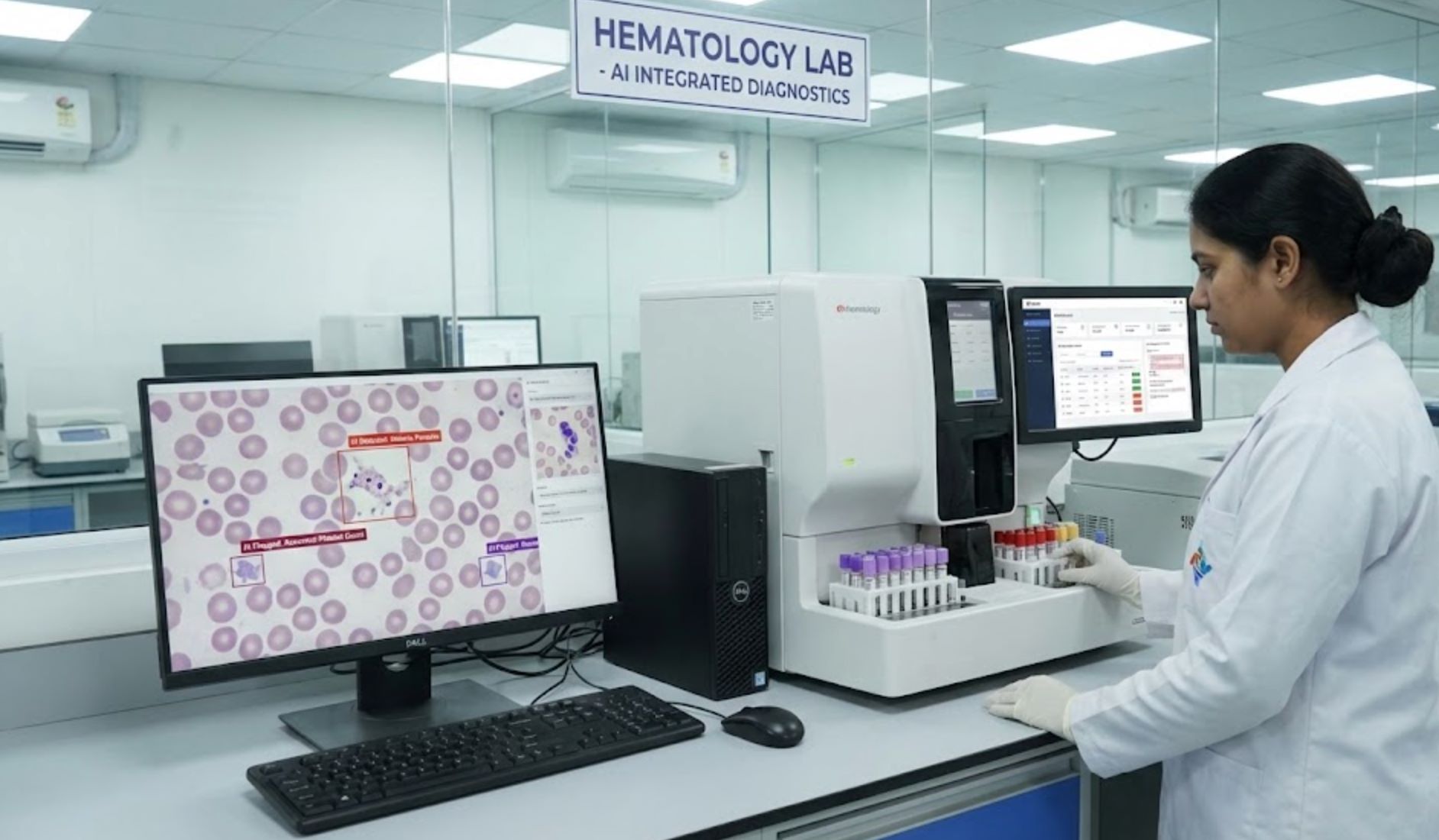
Ang AI ay nagbabasa na ng mga medikal na imahe (tulad ng CT scans at X-rays) nang mas mabilis kaysa sa tao. Kayang makita ng mga kasangkapan ng AI ang mga abnormalidad sa loob ng ilang minuto — mula sa mga scan ng stroke hanggang sa mga bali ng buto — na tumutulong sa mga doktor na mag-diagnose nang mas mabilis at mas tumpak.
Ang mga simpleng gawain sa imaging tulad ng paghahanap ng mga bali ay perpekto para sa AI: ang mga doktor sa urgent care ay maaaring makaligtaan ang hanggang 10% ng mga bali, ngunit ang pagsusuri ng AI ay maaaring mag-flag ng mga ito nang maaga. Sa pamamagitan ng pagiging "ikalawang pares ng mga mata," tumutulong ang AI na maiwasan ang mga hindi natukoy na diagnosis at hindi kailangang mga pagsusuri, na posibleng magpabuti ng mga resulta at magpababa ng gastos.

Suporta sa Klinikal na Desisyon at Pamamahala ng Pasyente
Pinapalakas din ng AI ang suporta sa klinikal na desisyon at pamamahala ng pasyente. Kayang suriin ng mga advanced na algorithm ang datos ng pasyente upang gabayan ang pangangalaga.
Maagang Pagkilala sa Sakit
Kayang tuklasin ng mga modelo ng AI ang mga palatandaan ng sakit taon bago lumitaw ang mga sintomas:
- Prediksyon ng Alzheimer’s
- Pagpapahayag ng sakit sa bato
- Pagsusuri ng panganib sa kanser
Mga Clinical Chatbot at LLMs
Mga espesyal na sistema na pinagsasama ang LLMs sa mga medikal na database:
- 58% kapaki-pakinabang na sagot sa klinika (pag-aaral sa US)
- Retrieval-augmented generation
- Kakayahan bilang digital assistant
Mga Digital Patient Platform
Isa pang lumalaking larangan ang mga digital patient platform. Halimbawa, ginagamit ng Huma platform ang AI-driven monitoring at triage upang mabawasan ang muling pagpasok sa ospital ng 30% at mapababa ang oras ng pagsusuri ng clinician ng hanggang 40%.
Ang mga remote monitoring device (tulad ng mga wearable at smart apps) ay gumagamit ng AI upang patuloy na subaybayan ang mga vital signs — na nagpepredict ng mga problema sa ritmo ng puso o antas ng oxygen sa real-time — na nagbibigay sa mga doktor ng datos upang maagap na makialam.
Kahusayan sa Administratibo at Operasyonal
Sa mga administratibo at operasyonal na gawain, pinapagaan ng AI ang mga trabaho. Nag-aalok na ngayon ang mga malalaking tech company ng "AI co-pilots" para sa pangangalagang pangkalusugan:
Dragon Medical One
Mga Kasangkapan ng Google AI
Estadistika ng Paggamit ng AI
Ipinapakita ng mga survey na ginagamit na ng mga doktor ang AI para sa mga rutinang dokumentasyon at serbisyo sa pagsasalin. Sa isang survey ng AMA noong 2024, 66% ng mga doktor ang nag-ulat ng paggamit ng AI tools (mula 38% noong 2023) para sa mga gawain tulad ng pag-chart, pag-cocode, mga plano sa pangangalaga o kahit paunang diagnosis.
Pananaliksik, Pagbuo ng Gamot at Genomics
Higit pa sa klinika, binabago ng AI ang pananaliksik medikal at pagbuo ng gamot. Pinapabilis ng AI ang pagdiskubre ng gamot sa pamamagitan ng pag-predict kung paano kumikilos ang mga molekula, na nakakatipid ng maraming taon ng trabaho sa laboratoryo.
AlphaFold
Prediksyon ng Kanser
Diagnosis ng TB
Nakikinabang din ang genomics at personalisadong medisina: kayang suriin ng AI ang malawak na datos ng genetika upang iangkop ang mga paggamot sa bawat pasyente. Sa oncology, ginagamit ng mga mananaliksik ng Mayo Clinic ang AI sa imaging (tulad ng CT scans) upang mag-predict ng pancreatic cancer 16 na buwan bago ang klinikal na diagnosis — na posibleng magbigay-daan sa mas maagang interbensyon para sa sakit na may napakababang survival rate.

Pandaigdigang Kalusugan at Tradisyunal na Medisina
Umaabot ang epekto ng AI sa buong mundo. Sa mga lugar na may limitadong resources, maaaring punan ng AI sa smartphone ang mga puwang sa pangangalaga: halimbawa, isang AI-powered ECG app ang nagfa-flag ng mga panganib sa sakit sa puso, kahit na kakaunti ang mga cardiologist.
- India: AI-driven digital library ng mga tekstong Ayurvedic
- Ghana at Korea: AI classification ng mga halamang gamot
- Agenda ng WHO: Ginagawang mas accessible ang tradisyunal na medisina sa buong mundo
Bahagi ng mga pagsisikap na ito — na bahagi ng agenda ng WHO — ang gawing mas accessible ang tradisyunal na medisina sa buong mundo nang hindi sinasamantala ang mga lokal na komunidad. Sa pangkalahatan, tinitingnan ang AI bilang paraan upang matamo ang universal health coverage (isang layunin ng UN pagsapit ng 2030) sa pamamagitan ng pagpapalawak ng serbisyo sa mga liblib o hindi napaglilingkurang lugar.

Pangunahing Benepisyo ng AI sa Pangangalagang Pangkalusugan
Mas Mabilis at Mas Tumpak na Diagnosis
Kayang iproseso ng AI ang mga imahe at datos sa malawakang sukat, madalas na natutukoy ang mga bagay na hindi nakikita ng tao
Personal na Pangangalaga
Inaangkop ng mga algorithm ang mga plano ng paggamot mula sa datos ng pasyente (genetika, kasaysayan, pamumuhay)
Pagtaas ng Kahusayan
Ang awtomasyon ng mga papeles at rutinang gawain ay malaki ang naitutulong upang mabawasan ang pagkapagod ng mga clinician
Pagtipid sa Gastos
Tinataya ng McKinsey na maaaring makatipid ang AI ng daan-daang bilyong dolyar taun-taon sa pamamagitan ng pinahusay na produktibidad
Pinalawak na Access
Pinapayagan ng AI-driven telemedicine ang mga rural o mahihirap na rehiyon na magkaroon ng access sa ekspertong pagsusuri
Mas Magandang Resulta
Nakikinabang ang mga pasyente mula sa pinabuting kalusugan at mas mababang gastos sa pangangalagang pangkalusugan
Malaki ang pangako ng AI para mapabuti ang paghahatid ng pangangalagang pangkalusugan at medisina sa buong mundo.
— World Health Organization (WHO)

Mga Hamon, Panganib at Etika
Sa kabila ng pangako, humaharap ang AI sa pangangalagang pangkalusugan sa seryosong mga hamon na kailangang tugunan upang matiyak ang ligtas at patas na paggamit.
Pribasiya at Seguridad ng Datos
Napaka-sensitibo ng datos ng kalusugan, at ang hindi maayos na pag-de-identify ay maaaring maglagay sa panganib ng kumpidensyalidad ng pasyente. Mahalaga ang matibay na mga hakbang sa seguridad at pagsunod sa mga regulasyon tulad ng HIPAA at GDPR.
Pagkiling sa mga Modelo ng AI
Kung ang mga algorithm ay sinanay gamit ang hindi magkakaibang datos (halimbawa, karamihan ay mula sa mga pasyente sa mayayamang bansa), maaaring hindi ito gumana nang maayos para sa iba.
Tiwala at Pagsasanay ng mga Clinician
Ang mabilis na pag-deploy ng AI nang walang tamang edukasyon ay maaaring magdulot ng maling paggamit o pagkakamali. Kailangan ng mga propesyonal sa pangangalagang pangkalusugan ng komprehensibong pagsasanay upang maunawaan ang kakayahan at limitasyon ng AI.
Dapat maintindihan ng mga gumagamit at malaman kung paano i-mitigate ang mga limitasyon ng AI.
— Oxford Ethicist
Mga Hallucination at Error ng AI
Ang mga sistema ng AI (lalo na ang mga LLM) ay maaaring mag-hallucinate — gumawa ng mga impormasyong medikal na mukhang makatotohanan ngunit mali.
- Paminsan-minsan ay nag-iimbento ng detalye ang OpenAI's Whisper sa mga transcription
- Madalas na hindi nagbibigay ng ganap na ebidensyang medikal na sagot ang mga popular na LLM
- Mahigpit pa rin ang pangangailangan ng human oversight para sa lahat ng AI-generated na medikal na nilalaman
Mga Prinsipyo ng WHO sa Etika para sa AI sa Pangangalagang Pangkalusugan
Autonomy
Kalusugan at Kaligtasan
Transparency
Panagot
Katarungan
Sustainability

Regulasyon at Pamamahala
Ang mga regulator sa buong mundo ay kumikilos na upang matiyak na ang mga sistema ng AI sa pangangalagang pangkalusugan ay sumusunod sa mga pamantayan ng kaligtasan at bisa.
Lapit ng FDA
- Mabilis na naaprubahan ang 1,000+ AI-enabled medical devices
- Enero 2025: Komprehensibong draft guidance para sa AI/ML software
- Saklaw ang buong lifecycle mula disenyo hanggang post-market monitoring
- Tinutugunan nang malinaw ang transparency at bias
- Nagre-review ng mga patakaran para sa AI sa pagbuo ng gamot
Regulasyon ng EU at UK
- EU AI Act (2024): Tinukoy ang AI sa pangangalagang pangkalusugan bilang "high-risk"
- Mahigpit na mga kinakailangan para sa pagsusuri at dokumentasyon
- Mandatoryong human oversight para sa mga kritikal na sistema
- UK MHRA: Nireregula ang mga AI medical device sa ilalim ng umiiral na batas
- Binibigyang-diin ang klinikal na beripikasyon at kaligtasan
Kayang pagbutihin ng AI ang kalusugan ng milyon-milyon kung gagamitin nang matalino, ngunit maaari rin itong magamit nang mali at magdulot ng pinsala.
— Dr. Tedros Adhanom Ghebreyesus, WHO Director-General
Kaya, nananawagan ang mga internasyonal na organisasyon para sa mga guardrail na nagsisiguro na ang anumang AI tool ay ligtas, batay sa ebidensya, at patas.

Hinaharap na Pananaw
Sa pagtingin sa hinaharap, lalaki pa ang papel ng AI sa pangangalagang pangkalusugan. Nangangako ang hinaharap ng walang kapantay na integrasyon ng AI sa lahat ng aspeto ng medikal na pangangalaga, mula sa pag-iwas hanggang sa paggamot at higit pa.
Advanced Generative AI
Ang generative AI (tulad ng advanced LLMs) ay magpapagana ng mas maraming apps na nakatuon sa pasyente at mga tulong sa desisyon — hangga't bumubuti ang katumpakan. Ang integrasyon sa electronic health records at genomics ay lilikha ng mas personalisadong pangangalaga.
AI-Assisted Surgery
Ang robotics at AI-assisted surgery ay magiging karaniwan sa mga high-tech na ospital, na nag-aalok ng katumpakan at konsistensi na lampas sa kakayahan ng tao.
Patuloy na Pagsubaybay sa Kalusugan
Ang mga wearable sensor kasama ang mga algorithm ng AI ay patuloy na susubaybay sa mga metric ng kalusugan, magbibigay ng alerto sa pasyente at doktor bago pa man magkaroon ng emergency.
Pandaigdigang Pamamahala ng AI
Ang mga pandaigdigang inisyatiba (tulad ng WEF's AI Governance Alliance) ay naglalayong mag-coordinate ng responsableng pag-unlad ng AI sa buong mundo.
Sa may pag-iingat na optimismo, nagsisimula nang yakapin ng mga sistema ng pangangalagang pangkalusugan ang AI upang makamit ang mas magandang kalusugan para sa mas maraming tao — mula sa matatalinong diagnosis at pinadaling klinika hanggang sa mga breakthrough sa paggamot at pandaigdigang katarungan sa kalusugan.

Nangungunang AI Tools sa Pangangalagang Pangkalusugan

Ada Health
Application Information
| Developer | Ada Health GmbH, a Berlin-based health-technology company founded in 2011 by Claire Novorol, Martin Hirsch, and Daniel Nathrath |
| Supported Devices | Android (Google Play), iOS / iPhone (App Store), Web browser (ada.com) |
| Languages & Availability | Available in English, German, French, Spanish, Portuguese, Romanian, and Swahili. Used in over 148 countries worldwide |
| Pricing | Free for consumers. Enterprise and health system integrations available commercially |
What is Ada Health?
Ada is an AI-powered symptom assessment tool that helps users analyze their symptoms, receive possible condition suggestions, and get personalized guidance on next steps—whether that's self-care, scheduling a doctor visit, or seeking emergency care.
The platform combines a clinician-curated medical knowledge base with intelligent reasoning logic to deliver tailored follow-up questions and narrow down likely causes. Users can track symptom progression over time, export detailed reports, and use the insights to facilitate more informed discussions with healthcare providers.
How Ada Works: Clinical Rigor Meets AI
In the crowded digital health landscape, Ada distinguishes itself through clinical rigor, user safety, and a hybrid knowledge-and-reasoning approach—rather than relying solely on black-box machine learning algorithms.
The app's intelligent logic dynamically selects the next question based on your previous answers, optimizing for diagnostic clarity while minimizing user burden. You're guided through a conversation-like flow: starting with your primary symptom, then answering questions about onset, severity, duration, and related features. This interactive process helps Ada generate a ranked list of plausible diagnostic hypotheses alongside evidence-based triage advice.

Key Features
Conversational interface with intelligent, guided questions that adapt based on your responses
Receive clear guidance on whether to self-care, schedule a doctor visit, or seek emergency care
Monitor symptom trends and changes to identify patterns and progression
Generate and share comprehensive PDF reports with your healthcare providers
In-app medical library with detailed condition explanations and health information
Create and manage profiles for family members to assess symptoms for others
Download or Access Link
How to Use Ada Health
Download Ada from Google Play Store, Apple App Store, or access directly via web browser at ada.com
Enter basic information including age, biological sex, and relevant medical history such as chronic conditions or medications
Select your primary symptom from the list (e.g., headache, cough, fever, fatigue)
Respond to Ada's intelligent questions about symptom duration, severity, location, and accompanying symptoms
View ranked list of possible conditions with detailed explanations and evidence-based triage advice
Log additional symptoms over days or weeks to monitor progression and identify patterns
Generate a comprehensive PDF summary to share with your physician for more informed consultations
Switch languages, manage multiple profiles, or adjust preferences in the settings menu
Important Limitations & Considerations
- Diagnostic and triage accuracy are probabilistic—Ada may misinterpret rare or complex medical cases
- Assessment quality depends on clear and complete user input; ambiguous answers may reduce accuracy
- Some features or data integrations may be restricted by region or regulatory approvals
- In emergencies or for serious symptoms, always seek immediate professional medical care
Frequently Asked Questions
Yes, Ada is classified as a CE-certified Class IIa medical device under EU regulations, meeting strict safety and performance standards for medical software.
Ada has completed millions of symptom assessments globally and is actively used in over 148 countries worldwide, making it one of the most widely adopted AI health companions.
In comparative clinical studies, Ada's top-3 diagnostic match rate was approximately 63%, and its triage recommendations aligned with physician judgment about 62% of the time. While impressive for an AI tool, it's designed to complement—not replace—professional medical evaluation.
No, the consumer symptom checker app is completely free for individual users. Ada also offers commercial enterprise integrations and health system partnerships for healthcare organizations.
Ada supports seven languages (English, German, French, Spanish, Portuguese, Romanian, and Swahili) and is available globally in many countries. However, specific language options and feature availability may vary by region due to regulatory requirements.

K Health
Application Information
| Author / Developer | K Health (formerly Kang Health), a privately held AI-powered healthcare company founded in 2016 in New York, USA. |
| Supported Devices | Android (Google Play), iOS / iPhone (App Store), Web browser interface via K Health's website |
| Languages / Countries | English (primary). Available in 48 U.S. states for virtual services with nationwide health system partnerships. |
| Pricing Model | Free symptom checker. Virtual visits with clinicians require payment (pay-per-visit or membership subscription). |
General Overview
K Health is a telehealth and AI-powered primary care platform that allows users to check symptoms, connect with healthcare providers, and manage care remotely.
The platform combines a symptom assessment engine—powered by data from millions of anonymized medical records—with live access to licensed clinicians. Users can receive diagnoses, prescriptions, advice for chronic condition management, and urgent care, all without needing to visit a clinic in person.
Detailed Introduction
In the competitive digital health arena, K Health positions itself as an AI-augmented primary care and urgent care solution targeted for consumers who want fast, affordable, and accessible medical care. The platform emphasizes virtual doctor visits, 24/7 care, symptom checking, telemedicine, and AI-powered health assistance.
The platform's hybrid model—symptom assessment followed by clinician consultation—aims to lower barriers to entry for healthcare. Its use of anonymized "people like you" treatment data helps personalize recommendations and differentiate it from simple symptom checkers. K Health's public content reinforces authority for health-related search queries through comprehensive FAQ, blog posts, symptom explanations, and educational resources.

Key Features
Free symptom assessment showing how people like you were diagnosed and treated, powered by millions of anonymized medical records.
Chat, video, or messaging access to licensed clinicians for urgent and primary care whenever you need it.
Remote care and ongoing support for conditions like hypertension, diabetes, and weight management.
Get prescriptions and pharmacy delivery where medically appropriate, directly through the platform.
Large patient record datasets guide care decisions using the "people like you" model for personalized recommendations.
Download or Access Link
User Guide
Download the app from Google Play or App Store, or access via web browser.
Input your symptoms and answer follow-up questions for personalized assessment.
See possible conditions and how others with similar symptoms were treated.
If needed, connect via chat, video, or message for diagnosis, prescriptions, or medical advice.
Schedule follow-ups, get personalized care plans, and monitor your progress over time.
Get approved medications delivered directly to your address.
View previous visits and share reports with outside providers if needed.
Notes & Limitations
- The symptom checker does not provide a definitive diagnosis—results are informative, not medical decisions.
- Accuracy is probabilistic; in clinical vignettes, K Health's top-3 diagnosis match rates were lower than general practitioners.
- Some medical conditions may require physical exams, imaging or lab tests that cannot be provided through telehealth.
- Prescription of controlled substances is limited or prohibited via telehealth in many jurisdictions.
- Service availability is restricted by geography, licensing, and state regulations—some features may not be offered in all areas.
Frequently Asked Questions
Yes, K Health partners with health systems and operates under telehealth and medical regulations in U.S. jurisdictions.
A one-time virtual visit is typically priced around $73, or you can subscribe for unlimited visits (first month $49) then billed quarterly.
While K Health offers primary and chronic care services, it may not fully replace in-person care for complex cases or exams requiring physical tests.
Most services are out-of-pocket; K Health generally does not accept insurance for its virtual visits.
K Health anonymizes and aggregates data used in its AI model, and clinicians access only relevant medical data during consultations. The platform adheres to privacy policies and security regulations.

Heidi Health
Application Information
| Author / Developer | Heidi Health is an Australian health technology company (formerly founded as Oscer) led by Dr. Thomas Kelly. It develops AI medical scribe software to assist healthcare providers in automating clinical documentation. |
| Supported Devices |
|
| Languages / Countries | Heidi is used globally and trusted in 50+ countries. The platform supports multiple specialties, document types, and multiple languages in notes (e.g., therapy notes in patient's preferred language). |
| Pricing Model | Heidi offers a free core plan that supports baseline note generation and transcription. Premium features (e.g., custom templates, "Ask Heidi" assistant, advanced document generation) are available under paid tiers. |
General Overview
Heidi Health is an AI-powered medical scribe platform designed to reduce the administrative burden on clinicians.
It captures clinician–patient conversations in real time (or in offline capture mode), transcribes speech to text, and generates structured clinical notes, referrals, patient summaries, and other healthcare documents. Its tools aim to let clinicians focus more on patient care and less on writing notes.
Heidi is compliant with data privacy standards like HIPAA, GDPR, ISO 27001, and is built for multi-specialty use across various care settings.
Detailed Introduction
In a crowded market of AI scribes, Heidi Health differentiates itself by offering a free entry point and prioritizing clinician adoption over forcing deep EHR integration. The platform is marketed with SEO-relevant terms like "AI medical scribe," "automated clinical documentation," "ambient note generation," and "free AI scribe for clinicians." Heidi's public content (blog posts on using AI scribes safely, tips for setup, compliance statements) supports search visibility around AI in health, medical documentation, and clinician workflow improvement.
Heidi's model allows clinicians to use default note generation immediately, then progressively unlock premium features as they see value. Because documentation style matters, Heidi supports personalized templates to match clinicians' writing voice and workflow.

Key Features
Captures consultations in real time or offline audio capture on mobile devices.
Generates clinical notes, referral letters, patient summaries, and assessment reports automatically.
Personalize templates and style to match your unique clinician voice and workflow preferences.
Multi-user collaboration with shared sessions for multiple clinicians working together.
Automatic synchronization across mobile, desktop, and web platforms for seamless workflow.
Fully compliant with HIPAA, GDPR, ISO 27001, and APP standards for data protection.
Download or Access Link
User Guide
Download apps via mobile or desktop, or use the web version directly in your browser.
Create an account with your email and password to get started.
Begin recording a clinician-patient interaction (via mobile or desktop) or upload previous audio files.
Heidi transcribes the conversation and produces structured notes, referrals, and summaries automatically.
Review, edit, add content, and adjust templates or style as needed to match your preferences.
Notes are automatically synchronized across desktop, mobile, and web environments.
If subscribed, unlock custom templates, "Ask Heidi" summarization, and advanced document types.
Important Notes & Limitations
- Mobile app supports offline capture of audio, but structured note generation still needs connectivity.
- EHR integration may be limited or unidirectional; writing back into EHR fields may not always be supported.
- Accuracy depends on audio quality, clarity of speech, and ambient noise; manual review is essential.
- Regulatory and privacy compliance vary by jurisdiction; features or availability may differ in certain regions.
Frequently Asked Questions
Heidi is an AI medical scribe that transcribes clinician–patient conversations and generates structured clinical notes, referrals, summaries, and other documents.
Yes, Heidi offers a free core plan with basic note generation and transcription. Premium features require subscription.
Heidi supports iOS, Android, desktop (macOS/Windows), and web browser access.
On mobile, Heidi can capture audio offline; final note generation syncs when reconnected. On desktop, Heidi requires an active internet connection.
Heidi complies with privacy and security standards including HIPAA, GDPR, ISO 27001, and APP (Australian Privacy Principles), and implements secure data management practices.

Owkin
Application Information
| Author / Developer | Owkin, founded by Dr. Thomas Clozel (MD) and Gilles Wainrib (PhD), is a biotechnology company based in Paris, France. |
| Supported Devices | Web platform (accessible via desktop and laptop). Some internal tools are accessible through secure institutional systems and APIs. |
| Languages / Countries | Available globally, supporting English and other major European languages. Headquarters in Paris with offices in New York, London, and other regions. |
| Pricing Model | Access to core research tools like K Navigator is free for academic researchers; enterprise and pharma features are available through paid partnerships. |
General Overview
Owkin is a pioneering AI-powered biotech company specializing in precision medicine, clinical research, and diagnostics. The platform applies advanced artificial intelligence to biomedical data, helping researchers, clinicians, and pharmaceutical companies accelerate drug discovery and optimize clinical trials.
Owkin leverages federated learning to analyze decentralized patient data while maintaining privacy compliance with standards like GDPR and HIPAA. Through its AI-driven tools, the company enables a collaborative ecosystem that improves disease understanding and therapeutic outcomes in oncology and other medical fields.
Detailed Introduction
Owkin has established itself as a leader in the intersection of AI and life sciences, transforming how medical research and drug development are conducted. The company's proprietary platform integrates multimodal data—including genomics, histopathology images, and clinical information—using federated learning to extract insights from distributed data without moving it.
The company's latest innovation, K Navigator, is an agentic AI co-pilot that assists biomedical researchers in hypothesis generation, data interpretation, and literature exploration. This tool aims to make AI-guided reasoning and pattern recognition accessible to the scientific community.
Owkin also collaborates with major pharmaceutical companies and healthcare institutions to enhance drug development, improve diagnostics, and personalize treatment strategies. Its AI diagnostic solutions, such as MSIntuit CRC (for colorectal cancer) and RlapsRisk BC (for breast cancer), showcase the practical application of AI in clinical settings.
By focusing on data privacy, collaboration, and explainable AI, Owkin stands at the forefront of the global movement toward ethical, data-driven healthcare innovation.

Key Features
Uses multimodal datasets including genomics, pathology, and clinical data for comprehensive analysis.
Ensures data security and privacy across institutions while enabling collaborative AI model training.
AI co-pilot for scientific reasoning, hypothesis exploration, and literature analysis.
Advanced cancer prognosis and treatment optimization solutions including MSIntuit CRC and RlapsRisk BC.
Supports target identification, clinical trial optimization, and therapeutic development.
Connects hospitals, researchers, and pharmaceutical partners worldwide for data-driven innovation.
Download or Access Link
User Guide
Navigate to Owkin's official website to explore available products, solutions, and research tools.
Free for academic researchers. Request access through the K Navigator portal to start using the AI co-pilot for biomedical research.
Contact Owkin for enterprise-level services in diagnostics, drug development, or institutional collaborations.
Implement federated learning frameworks for secure AI modeling with institutional data while maintaining privacy compliance.
Deploy AI diagnostic tools such as MSIntuit CRC and RlapsRisk BC after obtaining regulatory clearance and institutional approval.
Notes and Limitations
- Owkin is primarily designed for institutional and enterprise use, not for individual consumers.
- Diagnostic tools are subject to regulatory approvals (e.g., CE-IVD certification).
- Advanced research and AI modeling features require partnerships or enterprise access.
- Performance depends on data quality and diversity across participating institutions.
- No dedicated mobile application is available for public use.
Frequently Asked Questions
Owkin is an AI-powered biotech company that uses machine learning and federated learning to advance precision medicine, drug discovery, and diagnostics.
Owkin's tools are available to academic researchers, hospitals, and pharmaceutical organizations through partnerships or institutional access.
Some research tools like K Navigator are free for academic users. Enterprise features and AI diagnostic tools require paid licensing or collaboration agreements.
Owkin uses federated learning, allowing AI models to train on local data within hospitals without transferring sensitive information to central servers.
Owkin focuses primarily on oncology (cancer) but also supports broader therapeutic research across biomedical domains.

Lark Health
Application Information
| Author / Developer | Lark Technologies, Inc. |
| Supported Devices | Android, iOS, and compatible health monitoring devices (smart scales, glucose monitors, blood pressure cuffs) |
| Languages / Countries | English; primarily available in the United States |
| Pricing Model | Free for users with eligible health insurance or employer programs; limited access for others |
What is Lark Health?
Lark Health is an AI-powered digital health platform designed to help users prevent and manage chronic conditions such as diabetes, hypertension, and obesity. Through 24/7 conversational AI coaching, Lark delivers personalized support for lifestyle improvements, behavior change, and long-term wellness.
Its clinically validated programs are used by major health plans and employers, helping users monitor their health metrics and receive real-time, data-driven feedback to stay on track toward healthier living.
Detailed Overview
Lark Health stands out in the digital health ecosystem as a fully automated AI health coach that mimics human conversation to guide users toward better health outcomes. The app integrates behavioral science, data analytics, and artificial intelligence to deliver continuous, real-time coaching that adapts to each user's goals and health data.
The platform covers areas like diabetes prevention, hypertension management, weight loss, and behavioral health, offering tailored programs backed by clinical research. By syncing with wearable devices and apps, Lark gathers data on sleep, diet, exercise, and vitals, creating a holistic picture of a user's health. The company partners with leading insurers, making its programs accessible to millions of users without direct cost.

Key Features
Real-time conversational guidance for nutrition, fitness, and wellness improvement tailored to your lifestyle.
Specialized programs for diabetes prevention, hypertension control, and weight management.
Seamlessly syncs with health tracking devices and mobile sensors for automatic data monitoring.
Evidence-based coaching rooted in cognitive behavioral therapy (CBT) principles.
Available through partnered healthcare plans and employers at no additional charge.
Download or Access Link
How to Get Started with Lark Health
Create an account through the Lark Health website or mobile app using your email address.
Confirm if your insurance provider or employer offers Lark programs at no cost to you.
Link compatible health monitoring devices for automatic tracking of vitals, activity, and sleep.
Chat with Lark's AI coach to receive instant feedback and personalized action plans for your health goals.
Review weekly summaries and health insights to stay motivated and informed about your wellness journey.
Important Limitations
- Not suitable for emergency or urgent medical care situations
- Some advanced programs require insurance or employer eligibility verification
- Effectiveness depends on consistent user engagement and accurate data input
- Currently supports English only, limiting accessibility in non-English-speaking regions
Frequently Asked Questions
Lark Health is free for users covered by partnered insurance plans or employer wellness programs. Users without eligible coverage may have limited access to certain features.
No. Lark provides AI-powered coaching and support for lifestyle improvements but does not offer medical diagnosis, treatment, or emergency care. Always consult your healthcare provider for medical decisions.
Lark integrates with most smartphones (Android and iOS), smart scales, fitness trackers, glucose monitors, and blood pressure cuffs. Check the app for a complete list of supported devices.
Lark offers specialized programs for diabetes prevention, hypertension management, weight control, and overall wellness improvement through lifestyle modifications.
Yes. Lark complies with HIPAA regulations to ensure all user data is securely protected, encrypted, and kept confidential. Your health information is never shared without your explicit consent.




Comments 0
Leave a Comment
No comments yet. Be the first to comment!